Make in India and PLI: Driving Real Manufacturing Growth
For years, sceptics dismissed Make in India as a slogan. The numbers have now settled the argument. As of December 2025, India’s PLI schemes have drawn over USD 24 billion in real investment, generated around USD 232 billion in production, and created more than 1.4 million jobs across 14 sectors. This is no longer a policy ambition. It is measurable manufacturing depth and for global buyers, it changes the sourcing calculation.
The Make in India mission and its financial engine, the Production Linked Incentive (PLI) scheme, were built to do one thing: turn India from an assembly destination into a genuine manufacturing power. A decade in, the PLI scheme is delivering exactly the production depth that global sourcing teams need and the businesses paying attention are already moving At ET2C International, we help brands, retailers and wholesalers convert that opportunity into reliable, compliant supply chains by finding and validating the right supply chain partners and delivering effective quality and compliance controls.
Our teams are based in the major sourcing markets India, China, Vietnam and Turkey and have been making sourcing simpler for our clients for over 25 years. We translate Make in India momentum into practical sourcing from India decisions. If the PLI scheme has put a sector on your radar, our India sourcing and procurement teams can help you act on it.
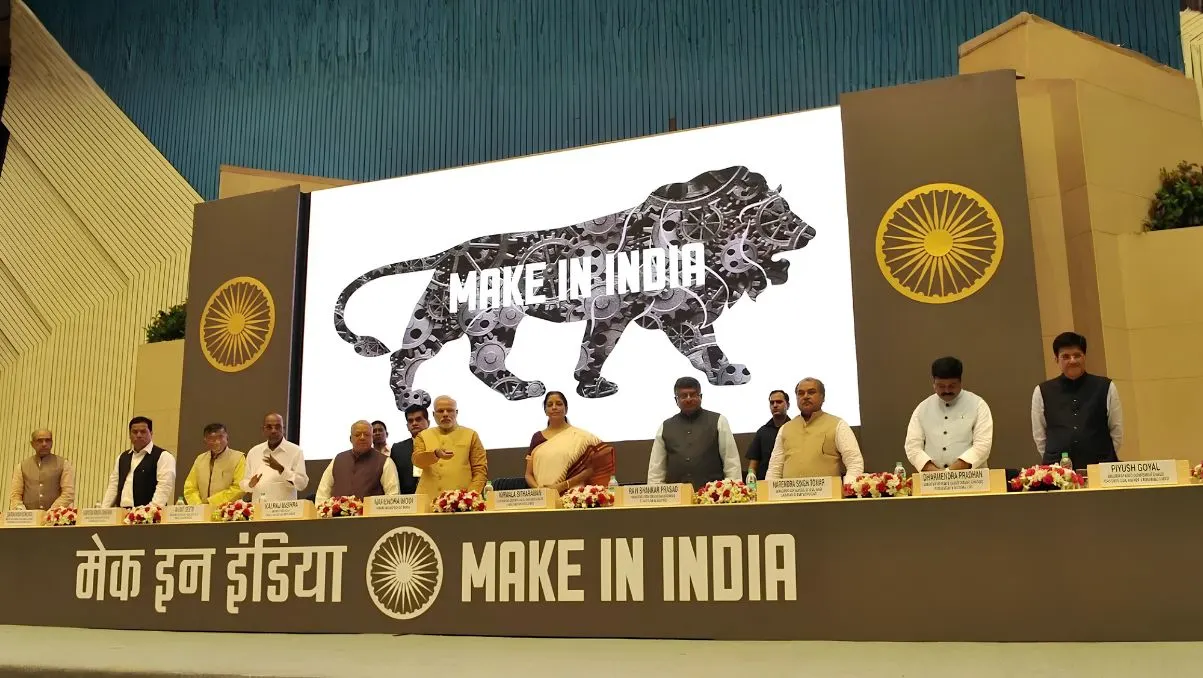
What Is the PLI Scheme and How Does It Power Make in India?
The Production Linked Incentive scheme is the financial engine behind Make in India. Rather than an open-ended subsidy, the PLI scheme rewards manufacturers with incentives of 4 to 18 percent on incremental sales above a base year a pay-for-performance model that only pays out when real production happens. With a total outlay of around USD 22 billion across 14 strategic sectors, it is one of the most significant industrial policy interventions in India’s history.
According to Invest India, the PLI schemes cover mobile manufacturing, pharmaceuticals, automobiles, electronics, food processing, textiles, solar modules, advanced batteries, drones, specialty steel, telecom, medical devices, white goods, and advanced chemistry cells. The Make in India initiative provides the wider policy framework, and together they have moved India decisively up the manufacturing value chain. See how our sourcing and procurement services help buyers tap into these sectors.
The Numbers That Prove Make in India Is Working
Scepticism about Make in India was reasonable in 2016. It is not in 2026. According to the Press Information Bureau, the PLI scheme results as of 31 December 2025 are concrete: 836 applications approved across 14 sectors, cumulative investment exceeding USD 24 billion, cumulative production and sales exceeding USD 232 billion, and cumulative exports exceeding USD 94 billion. More than 1.4 million direct and indirect jobs have been created. These are not projections. They are realised outcomes and they signal a manufacturing base with genuine capacity and export orientation, which is precisely what global sourcing India strategies depend on. Want to know if your target category is ready for you? Talk to our India sourcing team.
Where the PLI Scheme Is Creating Opportunities for the Markets We Serve
The 14 PLI scheme sectors are defined by government. What matters to the brands, retailers and wholesalers we work with is different: which of these translate into real, sourceable product opportunities for a consumer-facing business. Several do and they map closely to the retail and consumer categories ET2C sources every day.
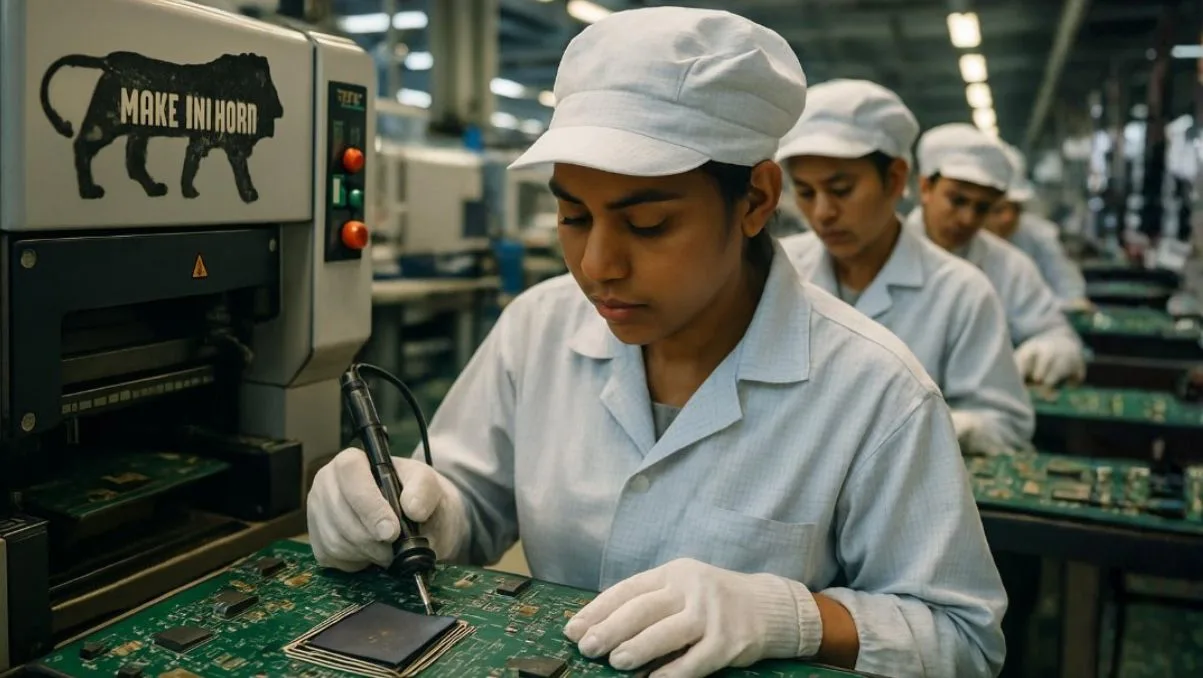
Consumer Electronics and Electricals
The standout PLI scheme success is electronics. Mobile phone production has risen roughly 28-fold, from about USD 2 billion in FY15 to nearly USD 62 billion in FY25, turning India into a net exporter. That depth flows down into the wider consumer electronics and electricals supply base chargers, accessories, small appliances and componentry giving retailers and wholesalers a maturing India manufacturing option in a category once dominated by China. This is exactly the kind of category our in-market teams qualify and manage.
Textiles, Apparel and Homeware
Textiles and apparel sit within the PLI scheme and remain one of India’s most established retail export categories, with cluster-based manufacturing in Tirupur, Surat and Ludhiana serving global brands at volume. For the fashion, homeware and soft goods buyers we work with, India offers proven capacity and craftsmanship though it is also where supplier variability is widest and in-market oversight matters most. It is a core sourcing from India category for retailers and wholesalers.
Health, Wellness and Personal Care
India’s pharmaceutical strength under the PLI scheme moving from net importer to net exporter of bulk drugs, with domestic value addition reaching 83.7 percent by March 2025 signals a broader capability that matters to consumer buyers. For retailers and wholesalers sourcing health, wellness, supplements and personal care products, that same manufacturing depth supports a growing, quality-assured supply base for finished consumer goods.
Homeware, White Goods and Household
The PLI schemes covering white goods and consumer durables are building capacity in exactly the household and homeware categories that retailers stock. Combined with India’s established base in kitchenware, giftware and general merchandise, this gives buyers a widening set of global sourcing India options across the everyday consumer categories that fill retail shelves the multi-industry, retail-focused sourcing that ET2C specialises in.
What Make in India Means for Global Buyers
Here is the part that matters for procurement. When USD 24 billion of investment flows into a manufacturing base, what changes is not just capacity it is capability. Better equipment, better process discipline, better compliance systems, and suppliers who have had to meet global standards to compete. The Make in India and PLI scheme story is, at its core, a story about India becoming a lower-risk, higher-capability sourcing destination. But capability at the national level does not automatically mean reliability at the factory level. India remains fragmented, and the gap between a world-class PLI-backed facility and an informal workshop is wide.
Capturing the Make in India opportunity means knowing which suppliers genuinely deliver and that requires people on the ground. Through our unique buying office model, ET2C’s in-market teams deliver fully audited, validated suppliers, connecting you to India’s strongest manufacturing clusters without the variability and execution risk that undermine remote sourcing. Explore our quality assurance and factory audit teams to see how we verify capability on the ground. Exploring India off the back of the PLI boom? Take our free Sourcing Stress Test to benchmark your readiness, or talk to our India team.
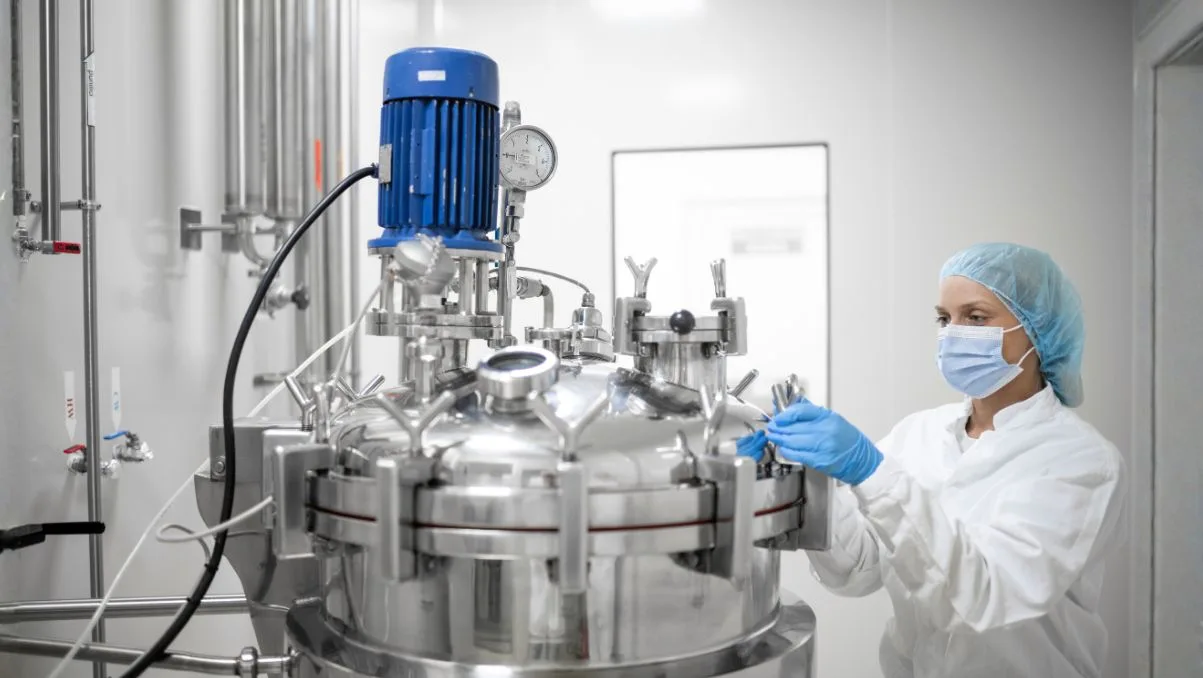
The Challenges Buyers Should Still Manage
Honesty matters. The PLI scheme is not flawless. Incentive disbursal has been slower than the headline outlay suggests, some sectors such as ACC batteries have been muted, and critics warn of assembly without deep value addition in places. For buyers, the lesson is not to avoid India it is to engage with it selectively and with proper oversight. The strongest Make in India categories are genuinely world-class. The weaker ones require careful supplier qualification. Knowing the difference category by category, factory by factory is exactly what in-market presence provides, and exactly why remote sourcing from India so often disappoints. This is the gap ET2C’s sourcing and procurement services are built to close.
Frequently Asked Questions

Anishi Gupta
Position: Digital Marketing Specialist
Anishi Gupta is a Digital Marketing Specialist focused on performance marketing, content strategy, and data-driven growth at ET2C LinkedIn or anishi.g@et2c.com.