EFTA India TEPA: Forging a Strong Free Trade Agreement
By ET2C International | Global Sourcing & Trade Intelligence After 16 years of negotiations and 21 rounds of talks, the EFTA India TEPA is no longer a promise on paper. As of 1 October 2025, it is live and the businesses that move first will capture its advantages before their competitors even finish reading the fine print.
The EFTA India TEPA, the Trade and Economic Partnership Agreement between India and the European Free Trade Association of Switzerland, Norway, Iceland, and Liechtenstein, officially entered into force on 1 October 2025. It is India’s first free trade agreement with a group of developed European nations, and it carries something no previous Indian FTA has: a binding commitment to USD 100 billion of investment and one million jobs over 15 years. For anyone building an India-Europe trade or global sourcing strategy, this is a genuine turning point.
At ET2C International, we help brands, retailers and wholesalers turn trade shifts exactly like this into a sourcing advantage. With in-market teams across India, China, Vietnam, and Turkey for over 25 years, we translate policy headlines into practical, on-the-ground sourcing decisions. If the EFTA India TEPA opens a door for your business, our India sourcing and procurement teams can help you walk through it before your competitors do.
What the EFTA India Free Trade Agreement Actually Delivers
The EFTA India free trade agreement is comprehensive, with 14 chapters covering goods, services, investment, intellectual property, and sustainable development. According to the EFTA Secretariat, together India and the EFTA states represent a combined GDP of around USD 5.4 trillion, giving this agreement real scale.
Tariff Elimination on Nearly All Indian Exports
Under TEPA, EFTA has offered tariff concessions on 92.2 percent of tariff lines, covering 99.6 percent of India’s exports including 100 percent of non-agricultural products. Per the Press Information Bureau, this gives Indian exporters of pharmaceuticals, textiles, chemicals, machinery, and engineering goods dramatically improved access to advanced European markets. For buyers sourcing from India, it makes India export pricing more competitive into EFTA destinations.
USD 100 Billion Investment Into India
The headline commitment is historic: EFTA states will aim to invest USD 100 billion into India over 15 years USD 50 billion in the first decade and USD 50 billion in the following five years with a target of one million direct jobs. This is private-sector investment focused on building productive capacity, and it directly strengthens Make in India. A dedicated India-EFTA Desk has been operational since February 2025 as a single-window facilitator, prioritising renewable energy, life sciences, engineering, and digital transformation.
New Access for Services and Professionals
India has made commitments across 105 services sub-sectors, with EFTA offering even broader access. TEPA also includes Mutual Recognition Agreements in professional services such as nursing, chartered accountancy, and architecture opening real mobility for Indian professionals into EFTA markets.
Why TEPA Matters for Global Sourcing
It is easy to file the EFTA India TEPA under diplomacy and move on. That would be a mistake. For procurement and sourcing leaders, this agreement changes the commercial maths in three concrete ways.
India Becomes a Stronger Sourcing Base
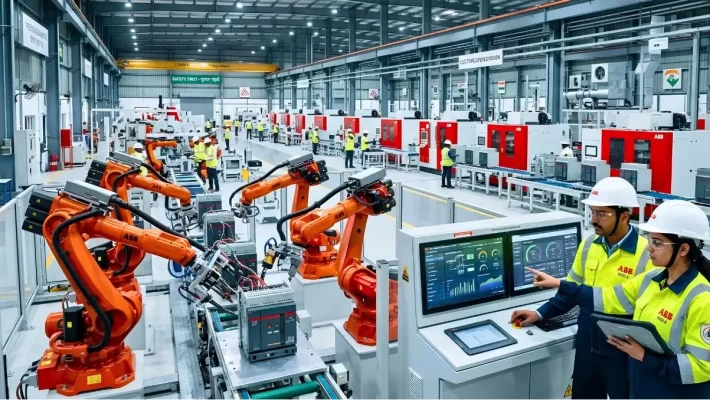
Investment at this scale accelerates the quality, capacity, and export-readiness of India’s manufacturing base. As EFTA capital flows into engineering, life sciences, and clean technology, the supplier ecosystem deepens, making global sourcing India a lower-risk, higher-capability proposition than it was even a year ago. The Invest India platform tracks the sectors drawing the most investment.
Tariff Advantages for India-Europe Trade
For businesses moving goods between India and the EFTA bloc, the tariff eliminations under the EFTA India free trade agreement directly lower landed costs. Sourcing teams with India in their supply chain or considering it now have a stronger commercial case, especially for exports flowing toward Switzerland, Norway, Iceland, and Liechtenstein.

A Model for India’s Wider Trade Push
TEPA is being described as a template for India’s future agreements, including the ongoing India-EU FTA negotiations. For strategic sourcing leaders, this signals a clear direction: India is integrating deeper into global trade, and early movers into Indian sourcing will be best positioned as further agreements land.
How ET2C Helps You Capitalise on the EFTA India TEPA
A trade agreement only becomes commercial advantage when it is matched by execution on the ground. That is exactly where ET2C International adds value. For over 25 years, we have helped brands, retailers and wholesalers build reliable, compliant, and scalable supply chains in India turning policy opportunity into real sourcing results. Through our unique buying office model, our in-market India teams deliver fully audited and validated suppliers who meet international standards of quality, compliance, and ethics.
Whether you are entering India for the first time to capitalise on TEPA, scaling an existing programme, or exploring India within a China Plus One strategy, our sourcing and procurement services and quality assurance teams make the opportunity practical, not theoretical. Not sure how ready your supply chain is to capitalise on the EFTA India TEPA? Take our free Sourcing Stress Test to benchmark your India sourcing readiness in minutes, or talk to our team.
Challenges Buyers Should Still Manage
TEPA opens the door, but walking through it well takes preparation. Indian exporters targeting EFTA markets must meet rigorous European standards on quality, packaging, and sustainability. India’s logistics infrastructure, while improving fast, still requires active oversight. And ESG and traceability expectations from European buyers continue to intensify. None of these are reasons to hesitate. They are reasons to engage with India through proper governance, in-market quality control, and on-the-ground presence rather than remote, assumption-led sourcing. This is precisely the gap ET2C’s buying office model is built to close. contact@et2c.com
Frequently Asked Questions

Anishi Gupta
Position: Digital Marketing Specialist
Anishi Gupta is a Digital Marketing Specialist focused on performance marketing, content strategy, and data-driven growth at ET2C LinkedIn or anishi.g@et2c.com.