Global Buyers: Innovative Trends in India’s Make in India
By ET2C International | Global Sourcing & Manufacturing Intelligence
Is India’s Make in India initiative delivering real value for global buyers, or is it still more headline than substance? The honest answer, after 25 years of sourcing on the ground in India, is that it is delivering real value but only for the buyers who know how to engage with it. Launched in 2014, Make in India set out to transform India into a global manufacturing hub.
A decade on, the results are visible in factory expansions, rising export volumes, and a flood of foreign investment. For global buyers, the question is no longer whether India can manufacture, but whether the Make in India momentum has matured into something they can build a serious sourcing strategy around.
This article looks at the innovative trends shaping Make in India today, the sectors delivering genuine value, the risks that still need managing, and how to turn policy momentum into commercial advantage.
ET2C International has worked across India, China, Vietnam, and Turkey for over 25 years, helping global buyers turn the promise of Make in India into reliable, compliance ready, and scalable supply chains. Watching India’s manufacturing ecosystem evolve from the inside gives us a clear, unfiltered view of where the country is genuinely winning for global buyers and where it still needs to go deeper. Through our unique buying office model, our in-market India teams connect you directly to fully audited, validated suppliers across India’s specialised manufacturing clusters removing the supplier variability and execution risk that undermine remotely managed sourcing. If you are exploring India as part of your sourcing strategy,
See how the ET2C buying office model works for global buyers. Our dedicated in-market India teams act as an extension of your procurement function, handling supplier discovery, factory qualification, quality control, and compliance so you get the benefits of sourcing from India without the operational risk of managing it remotely. Explore ET2C’s buying office model, discover our India sourcing solutions, or contact our team to start a strategic conversation.
What Make in India Means for Global Buyers Today
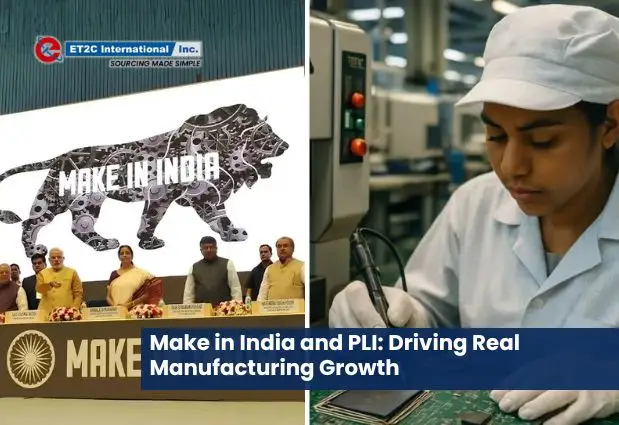
The Make in India initiative is no longer just a slogan. It is backed by substantial policy infrastructure, most notably the Production Linked Incentive (PLI) schemes that directly reward manufacturers for increasing production and domestic value addition across fourteen sectors.
According to the India Brand Equity Foundation (IBEF), India’s manufacturing sector contributed approximately USD 447 billion to GDP in 2024 and is targeted to reach 25 percent of GDP under the national industrial policy framework.
For global buyers, the practical effect of Make in India and the PLI scheme is a supplier base that is better capitalised, more export-oriented, and increasingly capable of meeting international quality and compliance standards than it was even three years ago. This is the structural shift that makes India a serious global sourcing proposition rather than an experimental one.
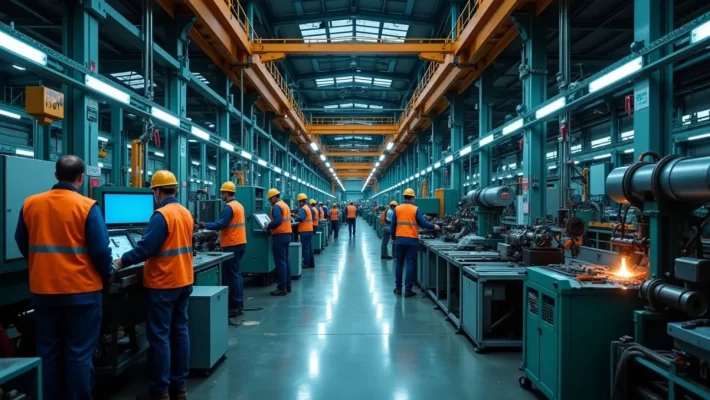
ET2C has been part of this shift first-hand. Across more than two decades of sourcing in India, we have watched suppliers move from domestically focused, inconsistent operations to export-ready partners capable of serving the most demanding global buyers in Europe, the UK, and North America. Our India offices sit inside the country’s key manufacturing clusters, giving our teams direct, daily visibility of which suppliers are genuinely Make in India success stories and which are still catching up.
That ground-level intelligence is what allows us to match global buyers with suppliers who are not only competitively priced but consistently compliant, scalable, and audit-ready. Wherever your sourcing footprint sits today India, China, Vietnam, Turkey, or a combination ET2C can provide a fast, low-risk team on the ground in the markets that matter most to your supply chain. Explore ET2C’s global sourcing services or contact our team to discuss your sourcing markets.
Innovative Trends Reshaping Make in India From Assembly to Genuine Value Creation
The most significant trend in Make in India is the shift from assembly-led growth toward genuine manufacturing depth. Early Make in India success was driven heavily by assembly operations, importing components and assembling them in India. The next phase, supported by evolving PLI scheme incentives, is rewarding companies that invest in upstream components: semiconductors, PCBs, automotive parts, and raw materials. For global buyers, this matters enormously: local value addition translates into greater reliability, better quality control, and shorter lead times
Sector Specialisation and Regional Clusters
India’s manufacturing landscape is increasingly defined by regionally specialised clusters: Tirupur for knitwear, Ludhiana for engineering and hosiery, Surat for textiles, Pune and Chennai for automotive, and Hyderabad and Bengaluru for pharmaceuticals and technology. This regional depth means there is usually a proven manufacturing cluster for most categories a global buyer needs, providing scalable volume without single-point failure risk.
Compliance Alignment with International Standards
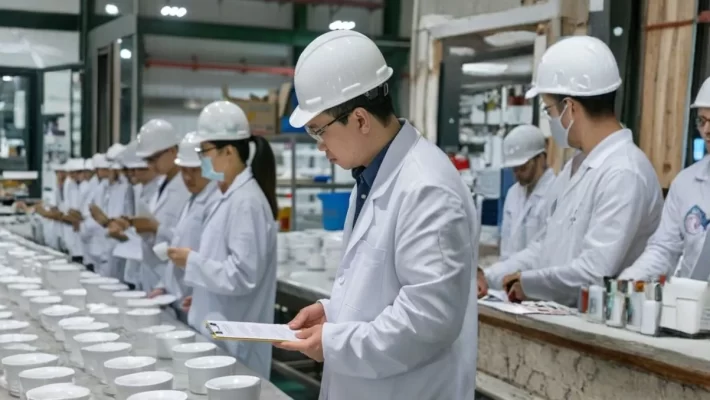
India’s alignment with international standards bodies including ISO, GMP, REACH, RoHS, and US FDA frameworks is increasingly robust across key export sectors. For global buyers with compliance obligations under the EU and UK regulatory regimes, this alignment materially reduces onboarding friction and makes sourcing from India a lower-risk proposition than it was even a few years ago.
Which Sectors Deliver Real Value Under Make in India
Not all sectors scale equally under Make in India. The strongest categories for export-grade manufacturing are textiles and apparel, pharmaceuticals and healthcare products, automotive and engineering components, industrial goods, and increasingly electronics. India is already a global leader in generic pharmaceuticals, supplying around 20 percent of global generic drug exports by volume.
Its automotive component industry generated exports exceeding USD 21 billion in FY2024, and its electronics manufacturing sector is growing rapidly under PLI scheme investment from global OEMs including Apple and Samsung. Within these categories, India offers a combination of competitive pricing, improving quality infrastructure, and for UK and EU buyers meaningful tariff advantages under the new trade agreements concluded in 2026. For more detail on how India fits into a diversified strategy, read ET2C’s analysis of the China+1 India strategy and large-scale manufacturing in India.
How ET2C Helps Global Buyers Capitalise on Make in India
Policy momentum only becomes a commercial advantage when it is matched by execution on the ground. ET2C International has worked across India, China, Vietnam, and Turkey for over 25 years, helping global buyers turn Make in India opportunity into reliable, compliant, and scalable supply chains. Through our unique buying office model, our in-market India teams deliver fully audited and validated suppliers who meet international standards of quality, compliance, sustainability, and ethics connecting you directly to India’s specialised manufacturing clusters without the supplier variability and execution risk that undermines remotely managed sourcing programmes.
We do not operate as a transactional intermediary. We act as an on-ground extension of your procurement function, providing supplier discovery and validation, structured factory audits, in-process quality control, and continuous performance management. Whether you are evaluating India for the first time or scaling an existing programme, ET2C provides the local intelligence and operational discipline that Make in India sourcing requires. Explore ET2C’s India sourcing solutions, take our Sourcing Stress Test to benchmark your readiness, or contact our team directly to start a strategic conversation.
The Risks Global Buyers Must Still Manage
For all its progress, Make in India is not a plug-and-play sourcing solution. The most common reason early India sourcing programmes fail is not a lack of manufacturing capability it is the execution gap between strategic intent and operational reality. The McKinsey research on supply chain resilience consistently identifies execution discipline and supplier oversight as the decisive factors in successful market diversification.
Supplier Variability and Quality Consistency
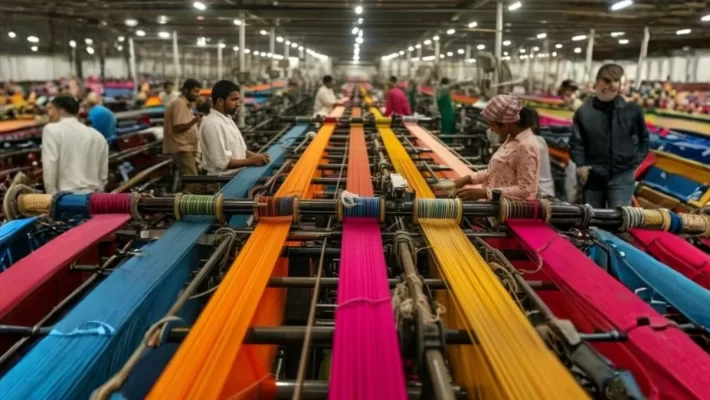
Quality and reliability differ significantly across India’s fragmented supplier landscape. For global buyers, diversification only delivers value if quality is consistent and consistency in India requires quality control frameworks structured correctly from the outset, not retrofitted after the first failed shipment. This is where in-market inspection and structured supplier qualification become non-negotiable.
Depth, Logistics, and the Execution Gap
Manufacturing depth and component localisation remain works in progress in some sectors. Logistics complexity and lead-time management also require active oversight. None of these challenges are reasons to avoid India. They are reasons to engage with it through proper preparation, governance, and on-the-ground presence rather than remote, assumption-led sourcing. India rewards preparation and penalises assumptions.
The picture that emerges is one of real, capturable opportunity paired with real, manageable risk. Make in India has moved India from an emerging sourcing option to a serious strategic base for global buyers but the value is captured by those who pair India’s manufacturing momentum with disciplined supplier selection, structured quality control, and genuine in-market oversight. The buyers who treat India as a long-term partnership rather than a transactional shortcut are the ones turning policy momentum into durable commercial advantage. This is precisely the gap ET2C is built to close, combining 25 years of in-market experience with the operational discipline that sourcing from India rewards.
Frequently Asked Questions

Anishi Gupta
Position: Digital Marketing Specialist
Anishi Gupta is a Digital Marketing Specialist focused on performance marketing, content strategy, and data-driven growth at ET2C LinkedIn or anishi.g@et2c.com.