Factory Audits and Supplier Compliance: What Experienced Procurement Teams Actually Look For
By ET2C International | Global Sourcing, Quality & Compliance Intelligence
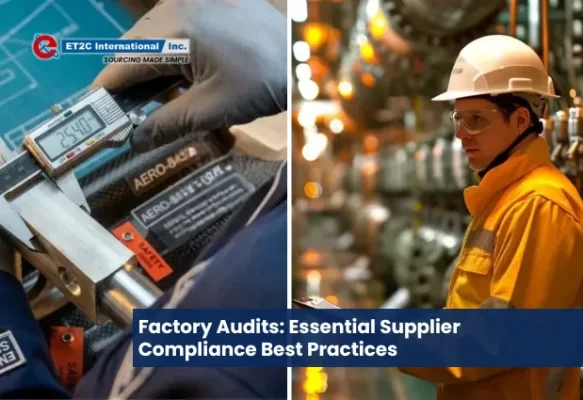
A passed factory audit does not mean ongoing compliance. It means a supplier was prepared for a visit. This is the central problem with most supplier audit programmes. The audit is real, the inspector is qualified, the certificate is issued,and none of it reliably reflects how the factory operates on the 300 other working days of the year. Experienced procurement teams understand this. They do not treat a factory audit as a compliance destination. They treat it as one data point within a broader, evidence-based approach to supplier compliance that includes unannounced visits, production-stage product inspection, traceability verification, and sub-tier visibility.
ET2C International has conducted factory audits, supplier compliance assessments, and product inspection programmes aacross China, India, Vietnam, Turkey, and other major sourcing markets for over 25 years. Our approach is built on a single principle: the only reliable basis for supplier compliance judgement is verified, in-market evidence,not self-declaration, not certificates, not announced audit scores. Our quality assurance and inspection teams combine formal factory audit capability with ongoing production oversight. Our social compliance audit teams assess labour standards, subcontracting practices, and documentation integrity using supplier audit checklist frameworks aligned to SMETA, BSCI, and client-specific requirements. Because our teams are based in the markets where your suppliers operate, they conduct unannounced and short-notice visits that no remotely managed supplier audit programme can replicate.

What a Factory Audit Is Really Measuring
A factory audit is a structured assessment of a supplier’s operations, management systems, physical facilities, workforce practices, and quality processes. Done well, a supplier audit provides genuine insight into a supplier’s capability, consistency, and compliance posture. Done poorly, it provides a certificate. The most experienced procurement teams are alert to audit-washing: the practice of preparing facilities specifically for visits without those conditions reflecting day-to-day operations. Overtime records that look compliant because informal shifts are temporarily suspended. Worker interview responses that have been coached.
Subcontractors disclosed only when the audit is announced. The Ethical Trading Initiative (ETI) Base Code has documented this gap repeatedly, noting that audit pass rates bear little relationship to underlying working conditions in many supplier markets. Both SEDEX SMETA and the amfori BSCI framework acknowledge the structural limitations of announced audits and recommend supplementing them with unannounced follow-up visits and independent worker interviews. Third-party providers including Bureau Veritas and SGS offer credible audit services,but the value of any factory audit depends on scope, notice given, evidence required, and whether findings are acted upon.
The Supplier Audit Checklist: What the Best Ones Cover
Labour, Working Conditions, and Ethical Compliance
Labour compliance is the foundation of any meaningful supplier audit programme and the area where audit-washing risk is highest. A rigorous supplier audit checklist cross-references payroll records against attendance data, assesses overtime practices against legal limits, investigates freedom of association, verifies health and safety standards, and specifically investigates recruitment fee practices that create debt bondage. The ILO’s research on forced labour estimates USD 236 billion in annual illegal profits embedded in global supply chains. The EU CSDDD and the UK Modern Slavery Act both impose mandatory due diligence obligations that make labour compliance assessment a legal requirement, not a voluntary practice.
Quality Management Systems
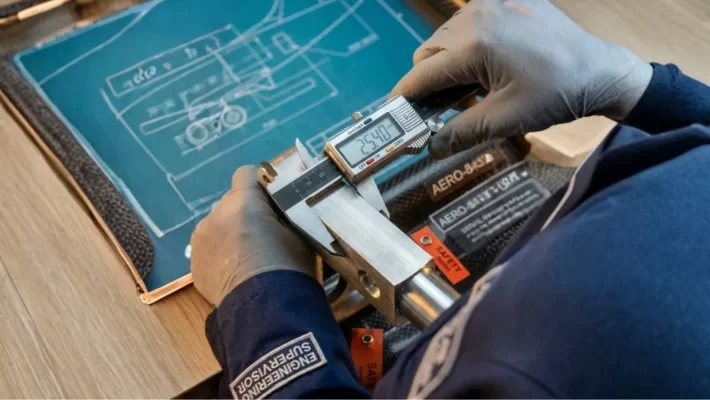
The quality management dimension of a factory audit checklist assesses whether the supplier has the systems and disciplines in place to produce consistent, on-spec output,not just whether it is capable of doing so on a good day. This includes documented quality procedures, calibration records, incoming material inspection processes, in-process quality control checkpoints, and non-conformance and corrective action management. The ISO 9001 Quality Management System standard provides the internationally recognised framework. ISO 9001 certification is a meaningful baseline but reflects a point-in-time assessment. A factory audit that only reviews the presence of a quality system without testing whether it functions in normal production conditions provides limited assurance.

Subcontracting Disclosure and Sub-Tier Visibility
Undisclosed subcontracting is one of the most common sources of supplier compliance failure and the most underassessed dimension of most supplier audit checklists. A tier-one factory that passes a factory audit may be routing part of your production to a subcontractor whose labour practices and quality systems were never assessed. A rigorous supplier audit specifically investigates whether all subcontractors used in your production have been disclosed, whether those subcontractors have been assessed, and whether the contractual prohibition on undisclosed subcontracting is understood and enforceable. ET2C’s in-market teams extend sub-tier verification into the workshop and finishing networks behind the tier-one facility,the level where the majority of ethical and quality compliance failures in markets like India and China actually originate.
Documentation, Traceability, and Reporting
A supplier whose production records are accurate, complete, and consistently maintained demonstrates a quality culture that no checklist can directly observe. Key documentary checks include the accuracy of production batch records, raw material traceability from source through to finished goods, payroll and attendance record cross-referencing, and the currency and authenticity of certifications and prior audit reports.
Traceability is increasingly a legal necessity: the EU General Product Safety Regulation (GPSR) and the EU Digital Product Passport both impose traceability requirements that make supplier documentation standards a procurement priority, not just a compliance consideration.

What Is AQL Sampling and How Does It Fit Into Supplier Compliance?
AQL, or Acceptable Quality Level, is the statistical framework used to determine how many units to inspect from a production batch and how many defects are acceptable before a batch fails. It is the most widely used methodology for product inspection in global sourcing and sits at the intersection of quality assurance and supplier compliance as the primary tool for verifying that finished goods meet the required standard before they leave the factory. The ASQ’s acceptance sampling methodology explains the technical framework in detail. In practical terms, AQL sampling means that rather than inspecting every unit,impractical at scale,a defined sample is drawn from the production batch based on batch size and chosen AQL level.
If the defect count in the sample falls within the acceptable limit, the batch passes. If it exceeds it, the batch fails and is subject to 100 percent inspection, rework, or rejection. AQL levels are set separately for critical defects (typically AQL 0), major defects (typically AQL 2.5), and minor defects (typically AQL 4.0), reflecting the different commercial and legal consequences of each category. One important point: AQL sampling is a product inspection tool, not a supplier compliance programme.
It tells you whether units in a sample conform to specification. It does not tell you whether the factory meets your labour standards, operates its quality management system consistently, or discloses its subcontracting relationships honestly. AQL sampling is most valuable when embedded within a broader factory audit and supplier compliance framework,not used as a standalone quality check in isolation from the other pillars of supplier oversight.
Three Mistakes That Undermine Supplier Compliance Programmes
Treating the Annual Audit as the Compliance Programme
An annual factory audit is a snapshot. It captures conditions on one day, often one the supplier knew about in advance. A rigorous supplier compliance programme uses the annual supplier audit as the formal baseline and supplements it with regular product inspection, periodic unannounced oversight visits, and continuous monitoring that makes the picture between audits as clear as audit day itself.
Relying on Supplier Self-Declaration
A signed code of conduct, a self-completed questionnaire, or a previously issued factory audit certificate provides no meaningful assurance about current conditions. Experienced procurement teams treat self-declaration as a starting point for supplier onboarding, not as evidence of ongoing supplier compliance. Independent verification,through in-market auditors, production inspectors, and worker interviews conducted away from management oversight,is what converts self-declared compliance into evidenced compliance.
Failing to Act on Findings
A supplier audit programme that identifies compliance failures and overlooks them to protect margin is worse than no programme at all. It creates documented evidence that the buying organisation knew about non-compliance and chose not to address it,a significant legal exposure under the CSDDD, the Modern Slavery Act, and consumer protection frameworks across Western markets. Acting on factory audit findings, whether through corrective action plans, production holds, or supplier exit, is not optional for a credible supplier compliance programme. It is the point of having one.
Frequently Asked Questions

Anishi Gupta
Position: Digital Marketing Specialist
Anishi Gupta is a Digital Marketing Specialist focused on performance marketing, content strategy, and data-driven growth at ET2C LinkedIn or anishi.g@et2c.com.