The Davos 2026 Mandate: From Fragile Efficiency to Sourcing Resilience
As global leaders descend upon the snowy slopes of Davos for the 56th Annual Meeting of the World Economic Forum (WEF), the atmosphere is markedly different from the “polycrisis” anxiety of years past. Under the theme “A Spirit of Dialogue,” the 2026 summit signals a pivot. A desire to move away from reactive firefighting and toward a deliberate architectural redesign of the global economy.
For the C-Suite and particularly for those steering the ship of global sourcing Davos 26 isn’t just a talking shop; it is a preview of the new operating manual for the next decade. The era of “globalization by default” is dead. In its place, we are seeing the rise of Intelligent Autonomy and Securitised Resilience.

ET2C Global Sourcing Experts
ET2C International are a British owned global sourcing company who have been working with clients for 25 years to make their sourcing simpler. From the days before China was even a part of the WTO we have been supporting international clients to extract the best value from off shore supply chains and sourcing partners.
Our 200 colleagues are based on the ground in all major sourcing markets to ensure direct access and deep insight into potential sourcing/manufacturing partners. Delivering:
- Margin defence and growth
- Risk management
- Supplier search and validation
- Quality & Compliance controls
- Direct to Factory Buying office model
2025 has been a year where building resilience and managing vulnerabilities has become a top priority for our clients. A year in which they have moved from planning and strategy to active execution on the ground. If you would like to learn more about assessing vulnerabilities and risk in your supply network, you can use our our rapid Sourcing Strategy Evaluation tool. To rapidly identify risk and vulnerability within your network.
Davos 26 – Global Sourcing Impacts Sourcing Resilience
What could be the potential impacts of the five core objectives of Davos 2026. Their impact has both direct and disruptive effects on your global sourcing strategy. Potential impacts will be variable based on current development and structure of companies offshore/supply network.
1. Cooperation in a Contested World: The Rise of “Geopolitical Intelligence”
One of the primary pillars this year is navigating a world of “contested norms and shifting alliances.” The WEF is emphasizing that geopolitical risk is no longer a peripheral concern it is a core business variable.
The Impact on Sourcing: We are seeing the transition from “Friend-shoring” to “Strategic Multi-Alignment.” C-Suite leaders can no longer rely on a single geographical powerhouse (the “China + 1” model is now the bare minimum).
- Actionable Shift: Sourcing teams must evolve into internal intelligence units. Your 2026 strategy should prioritize “Geopolitical Neutrality” in your tier-2 and tier-3 suppliers to avoid the crossfire of retaliatory tariffs and export restrictions that are becoming the new standard in trade diplomacy.
2. Unlocking Growth via Agentic AI: The End of “Tool-Based” Procurement
While Davos 2025 was obsessed with GenAI pilots, Davos 2026 is focused on “Agentic AI” autonomous digital workers that don’t just suggest actions but execute them. The objective is to unlock new sources of growth by automating the “cognitive load” of global trade.
The Impact on Sourcing: Traditional Procurement is being replaced by End-to-End Orchestration. In 2026, we expect a shift where AI agents autonomously manage RFPs, conduct real-time supplier audits, and trigger logistical pivots before a human even sees a disruption alert.
- The C-Suite Reality: If your sourcing strategy still views AI as a “productivity tool” for drafting emails or summarizing contracts, you are already behind. The leaders emerging from Davos are discussing “Autonomous Sourcing Ecosystems” that reduce procurement cycle times by up to 40%.

3. Prosperity Within Planetary Boundaries: The 2026 “Carbon Cliff
Environmental risks remain the top long-term concern at the WEF. However, the tone has shifted from “voluntary ESG” to “commercial accountability.” With the Carbon Border Adjustment Mechanism (CBAM) now fully operational and mandatory in 2026, the cost of carbon is no longer theoretical it is a line item.
The Impact on Sourcing: For many companies with published corporate sustainability commitments sourcing is no longer just about finding the cheapest factory; it’s about finding the lowest carbon-intensity partner. This is the year we see the “Green Premium” transform into a “Carbon Penalty” for laggards.
| Traditional Sourcing (2010–2023) | Davos 2026 Strategic Sourcing |
|---|---|
| Focus: Unit Cost | Focus: Total Landed Cost + Carbon Tax |
| Linear Supply Chain | Circular Material Loops |
| Tier-1 Visibility | Multi-tier Traceability (to the source) |
| Quarterly Audits | Real-time IoT-enabled ESG Monitoring |
4. Investing in People: The “Human-Agent” Workforce
A key Davos objective is “Investing in People” to prevent a massive skills gap. The WEF’s Future of Jobs Report 2025 warned that 39% of current skills would be obsolete by 2030. In the sourcing world, the “Category Manager” role is being fundamentally redefined.
The Impact on Sourcing:
The “Sourcing Expert” of 2026 is a Digital Architect. They must manage a hybrid workforce of human category experts and AI agents. The C-Suite must oversee a massive upskilling initiative to ensure their teams can interpret the “black box” of AI-driven sourcing decisions.
- Strategic Move: Focus your hiring on “Strategic Judgment” and “Ethical Oversight.” Leave the data crunching to the agents; keep the high-level negotiation and relationship management for your humans
5. Deploying Innovation Responsibly: Securing the “Digital Thread”
The final pillar addresses the responsible scale-up of technologies like Quantum Computing and Biotech. For global sourcing, this translates to one word: Cyber-Resilience. As we connect our ERPs more deeply with global suppliers, we are expanding our attack surface.
The Impact on Sourcing: In 2026, a supplier’s Cybersecurity Rating will be as important as their credit rating. The “Jaguar Land Rover supplier attack” of 2025 proved that a breach in a tier-3 component manufacturer can paralyze a global OEM.
- Actionable Shift: Sourcing strategies must include “Digital Due Diligence” as a non-negotiable gateway for any new supplier. Your contracts must mandate standardized, encrypted data-sharing protocols.
Davos 2026 The C-Suite Roadmap: Turning Davos Dialogue into Strategy Sourcing Resilience
To lead in this “Spirit of Dialogue,” the C-Suite must move beyond the rhetoric of the Alps and implement three immediate shifts:
- Redesign for “Optionality”: Stop optimizing for the “best-case” scenario. Architect your supply network for “optionality” the ability to switch regions, suppliers, or materials within a 30-day window without catastrophic cost spikes.
- Operationalize the “Carbon Ledger”: Move your sustainability team from the “Marketing/Communications” department into “Operations and Procurement.” If they aren’t influencing supplier selection based on real-time CO2 data, you aren’t ready for 2026.
- Appoint a “Chief Orchestration Officer”: The silos between Sourcing, IT, and Logistics are the greatest threat to your resilience. You need a leader who can manage the “Digital Thread” that links these functions in an agentic AI environment.
Davos 2026 Conclusion: The New Leadership Paradigm Sourcing Resilience
The Davos 2026 meeting is a reminder that the world is not going back to “normal.” The volatility we see is the new baseline. However, for the forward-thinking C-Suite leader, this volatility creates a massive competitive opening.
By moving from fragile efficiency (lean, but brittle) to intelligent autonomy (automated, resilient, and green), your sourcing strategy becomes a growth engine rather than a risk center. The “Spirit of Dialogue” isn’t just about talking to world leaders; it’s about building a deeper, more transparent, and more technologically integrated dialogue with your global supply base.
The question for your next board meeting is simple: Are we sourcing for the world of 2019, or are we architecting for the reality of 2026? contact@et2c.com
The ET2C buying office model represents a fundamental shift in how companies can approach Asian sourcing. You get the strategic benefits of direct factory relationships, margin recapture, supply chain visibility, quality control, and market agility—without the time, cost, and risk of building your own infrastructure.
For companies currently trapped in the wholesaler model, paying 10-20% markups while lacking visibility and control, this isn’t just a cost-saving opportunity. It’s a competitive advantage. In markets where agility and margin matter, having direct factory relationships managed by experts on the ground is increasingly non-negotiable.
The question isn’t whether to move away from the trader model. The question is: do you want to spend 18 months and $500K+ building it yourself, or start capturing value immediately with a proven partner?
Ready to explore how the ET2C buying office model can transform your Asian supply network? Contact us at contact@et2cint.com to discuss your specific situation and see how quickly we can start delivering value.
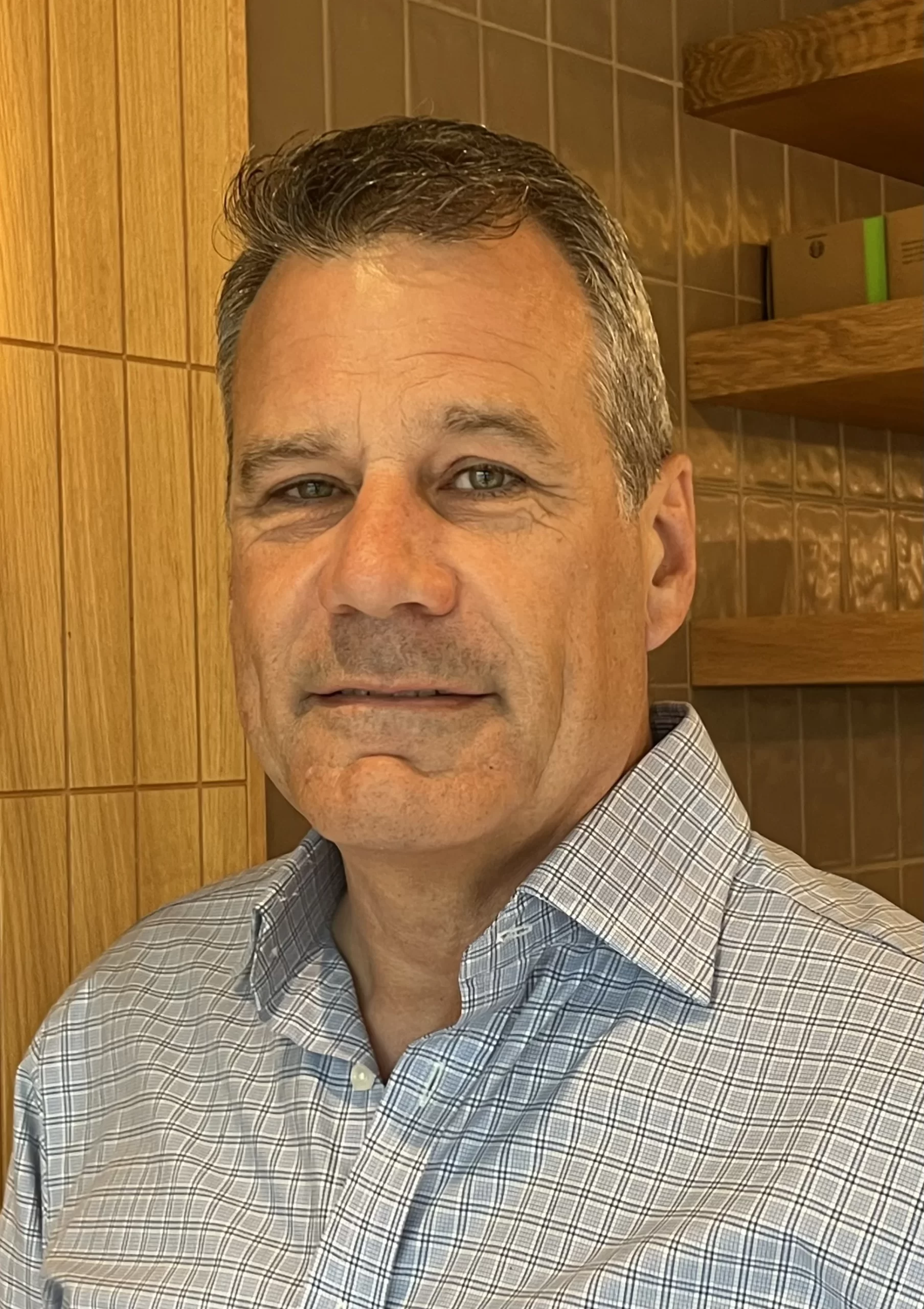
David Young
Position: Group Marketing Director
David W. Young is a recognised thought leader in global sourcing and procurement, sharing expert insights on navigating inflation, managing overheads, and building resilient supply chains. He champions strategic solutions for maximising business value in a volatile world. LinkedIn or david.y@et2c.com.LinkedIn or david.y@et2c.com.