Low-cost country sourcing risks are the supplier, quality, compliance, intellectual property and supply chain disruption risks that come with buying from lower-cost markets overseas. They grow as the value chain stretches across distance, time zones and languages. Most can be managed by vetting suppliers thoroughly, controlling quality at source, diversifying the supply base and monitoring performance continuously.

Low-cost country sourcing risks: quick answers
What are the main risks of sourcing from low-cost countries?
The main risks are supplier failure, poor product quality, loss of intellectual property, breaches of labour and environmental standards, and disruption from natural disasters, political instability, trade policy changes or currency fluctuations. Social and environmental issues also carry reputational risk.
Does sourcing closer to home remove these risks?
No. The same risk factors apply whether you source nearshore or offshore. They are simply harder to manage when the supply chain spans many miles, time zones and languages. Our article on the risks of nearshoring and regionalisation looks at this in more detail.
How do you reduce supplier risk?
Carry out thorough due diligence on each supplier’s track record, reputation, financial stability, production capability, quality control and compliance. Build relationships on trust and open communication, monitor performance regularly and keep backup suppliers in place.
How do you protect product quality when sourcing overseas?
Set clear quality standards, then verify them with regular inspections, audits and product testing. Robust quality control and supplier audits reduce the risk of receiving substandard products or goods that fail safety regulations.
When does it make sense to use a sourcing partner?
When your procurement team lacks the time or the specialist skills to run a global sourcing strategy, or when time zones, language and quality control make suppliers hard to manage remotely. A partner with people on the ground can close those gaps.
Why companies source from low-cost countries
The benefits of sourcing strategically from global markets are significant, and they have been the foundation of growth for many companies and brands. In some markets the cost and quality of the products available are so strong that choosing not to source globally can put a company at a serious competitive disadvantage.
The benefits are well known, but building and running a global sourcing strategy can be daunting. The turmoil that followed Covid showed how much businesses depend on resilient supply chains that deliver the right product at the right quality.
Why risk grows as supply chains stretch
On top of the traditional procurement challenges, sourcing teams must now understand and measure the reputational risks that come from social and environmental factors.
These risks are the same wherever you source, near or offshore. In a short or in-country supply chain they can often be managed simply. As the value chain stretches across many miles, time zones and languages, the challenges mount and complexity builds.
How ET2C International helps
ET2C International is a global sourcing company with over 25 years’ experience. Our 250+ colleagues work across nine global offices, with teams on the ground in the key sourcing markets of China, India, Vietnam and Turkey.
We make global sourcing simple by acting as the bridge between you and your supply partners, especially where time zones, language, business communication or quality control become challenging. Our team can help you build and deliver your sourcing strategy, make sure you work with the right factory partners, and give you independent feet on the ground with fast responses. Find out more about our sourcing and procurement services.
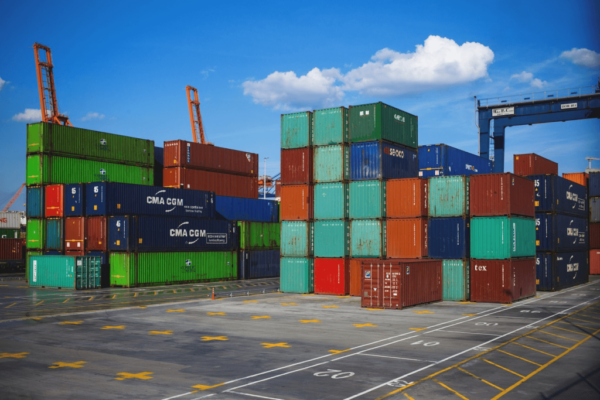
The main low-cost country sourcing risks
The first task in managing risk is to understand it and make it visible. Risk is far easier to identify, assess and manage when it is broken down into core areas, as in the table below.
| Risk | What can go wrong | How to manage it |
| Supplier failure | A supplier lacks the track record, financial stability or production capability to deliver | Due diligence before selection; ongoing performance monitoring |
| Product quality | Products fall short of your standards or of safety regulations | Clear standards, regular inspections, audits and product testing |
| Supply chain disruption | Natural disasters, political instability or changes in trade policy interrupt supply | A diversified supplier base and contingency plans |
| Currency and regulatory change | Exchange rate movements or new regulations alter cost and compliance requirements | Regular risk assessment and staying informed on market and regulatory change |
| Intellectual property | Designs or know-how are copied or misused | Non-disclosure agreements, trademarks, copyrights and patents; suppliers who respect IP |
| Compliance and ethics | Suppliers breach labour laws, environmental regulations or international standards | Verify adherence to labour law, environmental rules and ILO conventions |
| Reputation | Social or environmental failures in the supply chain damage your brand | Map every tier of the supply chain; promote traceability and ethical practice |
| Communication and visibility | Time zones, languages and different business expectations slow responses and hide problems | Strong supplier relationships, continuous monitoring and local expertise |
How to manage low-cost country sourcing risk
The ten controls below cover the core risk areas. They are grouped into four themes so you can see where each one fits.
Choose and develop the right suppliers
- Supplier evaluation and selection: Carry out thorough due diligence on potential suppliers. Assess their track record, reputation, financial stability, production capability, quality control measures and compliance with regulations. Many sourcing problems start before a supplier is chosen; see why sourcing projects fail before supplier selection.
- Supplier relationship management: Build strong relationships based on trust, open communication and transparency. Regular contact and a shared vision can move a relationship from simply delivering a forecast to a partnership built around shared growth.
Control quality, intellectual property and compliance
- Quality control and product testing: Put stringent quality control in place so products meet your specified standards. Run regular inspections, audits and product testing to verify quality and compliance with safety regulations. Robust quality control and supplier audits minimise the risk of receiving substandard products.
- Intellectual property protection: Protect your intellectual property with appropriate legal measures, such as non-disclosure agreements, trademarks, copyrights and patents. Work with suppliers who respect intellectual property law and clearly understand your requirements.
- Compliance and ethical standards: Make sure suppliers meet ethical and social responsibility standards. Verify that they follow labour laws, environmental regulations and international standards such as the International Labour Organization (ILO) conventions and responsible sourcing initiatives.
Plan for disruption
- Diversification of suppliers: Avoid over-reliance on a single supplier or region. A diversified supplier base limits the impact of natural disasters, political instability or changes in trade policy. Strong relationships build resilience, but having potential backup suppliers is also valuable.
- Risk assessment and contingency planning: Identify the risks that could affect your sourcing operations, such as supply chain disruption, currency fluctuations, quality issues or regulatory change. Develop contingency plans for each, including alternative sourcing options, backup suppliers and mitigation strategies. These risks also affect what a product really costs once it lands; see how to calculate landed cost.
Keep visibility across the supply chain
- Continuous monitoring and performance evaluation: Monitor supplier performance regularly and evaluate their ability to meet your expectations. Continuous monitoring lets you spot risks early and take corrective action before problems grow.
- Supply chain transparency: Map the whole sourcing process and understand every tier of supplier involved. Promote ethical practice, sustainability and traceability throughout the supply chain to reduce social and environmental risk.
- Stay informed and engage experts: Keep up to date with global market trends, economic indicators, geopolitical developments and regulatory change. Draw on industry experts, consultants or sourcing partners with in-depth global sourcing experience for guidance.

Releasing the value of low-cost country sourcing
The benefits of a strong global sourcing strategy are clear, but realising all of them takes planning and focus. Many procurement and sourcing teams are under heavy time pressure and may not have the time or the specialist skills to deliver a global sourcing strategy. Working with a trusted partner with a proven track record helps you secure the benefits without the pitfalls.
Want to see where your supply chain is exposed? Take the Sourcing Stress Test, or email contact@et2cint.com and we will share examples of how we have helped clients manage risk, quality and compliance across their supply chains.