Why Supply Chain Mapping Is Becoming Essential for Procurement Visibility
Most procurement teams can name their direct suppliers. Very few can name the suppliers behind those suppliers. That blind spot the gap between tier one and the rest of the chain is where the most damaging supply chain failures begin. For years, supply chain mapping was a nice-to-have. That has changed. Tightening regulation, fragile logistics, ESG scrutiny, and hard lessons from recent disruptions have made supply chain transparency a board-level priority. The businesses that can see their full chain not just the front door manage risk proactively. The ones that cannot manage it by crisis. New to multi-tier mapping? Start by benchmarking where your supply chain is exposed take ET2C’s free Sourcing Stress Test and see your supplier visibility score across five operational dimensions in minutes.
How ET2C Builds Supplier Visibility From the Ground Up
Supply chain visibility cannot be built from a spreadsheet alone. It needs people on the ground who can verify what suppliers declare, find the subcontractors they do not disclose, and trace the real flow of materials behind an order. ET2C International has run in-market teams across China, India, Vietnam, and Turkey for over 25 years, giving clients genuine supplier visibility that desk-based mapping cannot match. Our sourcing and procurement teams and quality and compliance teams work inside the factories, tracing production through tier two and tier three the mills, component makers, and finishing workshops where the real risk sits.
This in-market presence turns supply chain mapping from a static document into a living, verified picture of your supply base. Where a remote exercise records what a supplier claims, ET2C confirms what is actually happening. For procurement leaders building programmes that must withstand regulatory and commercial pressure, that difference between declared and verified visibility is everything. Explore our global sourcing and procurement services to see how in-market verification underpins real transparency. Sourcing across multiple markets? ET2C can put a fast, low-risk team on the ground wherever your suppliers are. Talk to our sourcing and procurement team about mapping your chain end to end.
What Is Supply Chain Mapping?
Supply chain mapping identifies, documents, and visualises every supplier, subcontractor, and material source behind a product from the tier-one supplier back to raw material origin. A complete map captures who each supplier is, where they are, what they produce, and how they connect to the tiers above and below. The purpose is supplier visibility: seeing the full network your products depend on, not just the direct relationships you manage day to day. The CIPS guidance on managing suppliers identifies multi-tier visibility as one of the biggest capabilities separating resilient supply chains from fragile ones.
Tier One Is Not the Whole Chain
Most risk does not sit with the direct supplier. It sits in tier two and tier three: the subcontractor your vendor uses without telling you, the material mill three steps back, the finishing workshop that completes production. A team with strong tier-one relationships but no sub-tier supplier visibility sees only the front door. Everything behind it stays invisible until it becomes a problem. This is the layer ET2C’s buying office model is built to reach.
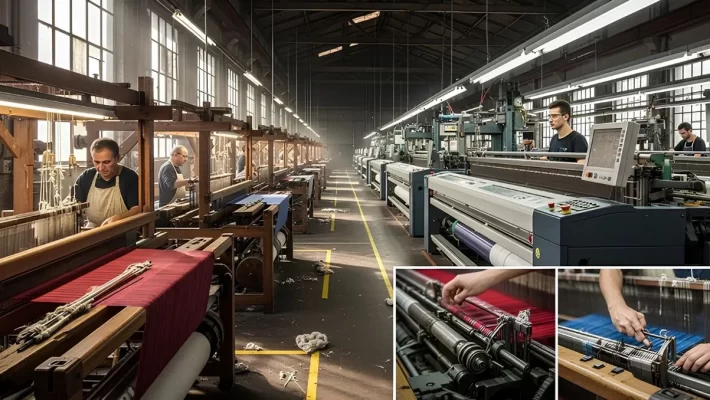
Why Supply Chain Mapping Has Become Essential
Regulation Now Demands It
The EU Corporate Sustainability Due Diligence Directive (CSDDD) requires due diligence across the whole value chain, not just direct suppliers. The UK Modern Slavery Act extends transparency obligations into the sub-tier. Proving compliance is impossible without genuine multi-tier mapping. ET2C’s quality and compliance services give procurement teams the verified evidence regulators now expect.
Supply Chain Resilience Depends on Visibility
The McKinsey research on supply chain resilience estimates companies face disruptions of a month or longer every 3.7 years, with the worst costing up to 40 percent of annual profit. You cannot build resilience against risks you cannot see. Supply chain mapping is the foundation resilience planning is built on.

ESG and Brand Risk Now Live in the Sub-Tier
The ILO’s research on forced labour estimates USD 236 billion in annual illegal profits embedded in global supply chains overwhelmingly in the sub-tiers tier-one audits never reach. A single incident traced to an unmapped subcontractor can do lasting brand damage. Supplier visibility is now brand protection, not just compliance. Worried about hidden sub-tier risk? ET2C’s in-market quality assurance and compliance teams map and verify the tiers behind your suppliers. See our quality and compliance services or book a call.
How to Build Effective Supply Chain Mapping
Effective supply chain mapping combines three things: data, verification, and continuity. Data comes from supplier disclosure. Verification comes from in-market checks that confirm the disclosure is accurate and complete. Continuity comes from treating mapping as an ongoing discipline, since suppliers and subcontractors change constantly.
The most common failure is relying on supplier self-declaration without verification. A questionnaire captures what a supplier will disclose not the subcontractor used quietly to cover a capacity spike. Genuine supply chain transparency needs independent, in-market capability to check the map against reality, which is why strategic sourcing programmes built on in-market presence beat remote ones. This is exactly what ET2C’s sourcing and procurement services deliver. The OECD Due Diligence Guidance names verification and continuous monitoring as the two factors that separate credible mapping from box-ticking.
Frequently Asked Questions

Anishi Gupta
Position: Digital Marketing Specialist
Anishi Gupta is a Digital Marketing Specialist focused on performance marketing, content strategy, and data-driven growth at ET2C LinkedIn or anishi.g@et2c.com.