China Plus One Strategy: Beyond the Spreadsheet The Hidden Costs of Diversifying to Vietnam, India, and Turkey
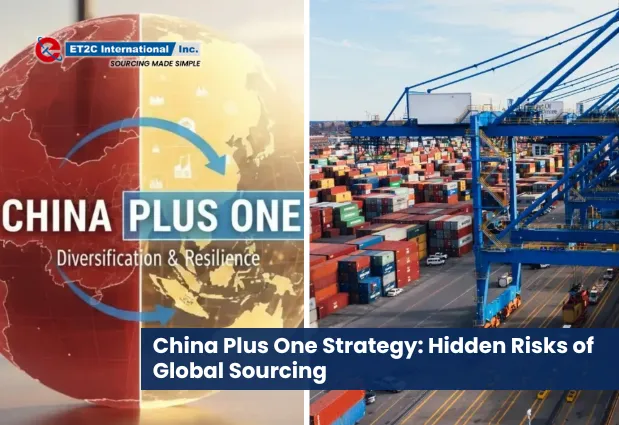
Over the past few years, one phrase has started appearing in almost every supply chain discussion: China Plus One. For some companies, it sounds like a smart strategy. For others, it simply feels like the next step in global sourcing. But for many businesses exploring diversification for the first time, the concept can still feel confusing.
So what exactly is China Plus One?
At its core, the idea is simple. Instead of relying entirely on China for manufacturing, companies keep part of their production there while adding suppliers in other countries such as Vietnam, India, or Turkey. The goal is not to replace China completely. The goal is to reduce risk through supply chain diversification. Over the past decade, rising labour costs, geopolitical tensions, tariffs, and pandemic-driven disruptions have forced companies to rethink their global sourcing strategy. Suddenly, depending on a single country began to not just look risky but was actively damaging to long term resilience. On paper, diversification often looks simple. Sourcing & Procurement teams compare supplier quotes, choose the lowest factory price, and shift production.
But in reality, global sourcing rarely works that way.
Many companies quickly discover that copy-pasting a China sourcing strategy into Vietnam or India often leads to unexpected problems. Each sourcing market has different supplier networks, infrastructure limitations, and business cultures. What appears simple in a spreadsheet can become far more complex in practice.

ET2C International is a global sourcing company with more than 25 years of experience helping international businesses build and manage supply chains across Asia and emerging sourcing markets. With over 220 colleagues based on the ground in key sourcing regions, ET2C provides deep local insight, practical execution capability, and direct supplier engagement.
Their teams support businesses with supplier identification, quality and compliance management, supply risk management, and shipping and logistics coordination. By maintaining an on-the-ground presence across major sourcing hubs, ET2C helps clients move beyond simple factory price comparisons and make informed decisions based on true landed cost, supply chain resilience, and long-term supplier partnerships.
If you are evaluating India, Vietnam, or Turkey as a sourcing destination or struggling to operationalise your China Plus One strategy, connect with our team at contact@et2cint.com.
The China Advantage That Took Decades to Build
To understand why diversification is challenging, it is important to recognise why China became the world’s manufacturing powerhouse. China did not build its manufacturing ecosystem overnight. Its supply chain infrastructure has developed over decades. factories are only one part of this system. Around them exists a dense network of raw material suppliers, component manufacturers, logistics providers, ports, and skilled labour.
In many Chinese industrial regions, suppliers for every part of the production process exist within a short distance. This density makes manufacturing extremely efficient. Emerging manufacturing hubs like Vietnam, India, and Turkey are growing rapidly, but their supply chain ecosystems are still developing. These markets offer strong opportunities for global sourcing, but they also come with new challenges that companies must understand before shifting production.
The Raw Material Trap
One of the most common surprises companies face when moving production outside China is the raw material dependency trap. A product may be labelled “Made in Vietnam” or “Made in India”, but that does not always mean the entire supply chain has moved. In many industries, such as electronics, textiles, and consumer goods, a significant number of components still originate from Chinese suppliers.
For example, a Vietnamese factory might assemble the final product, but key parts may still come from China. This means that even after relocating production, businesses may remain dependent on the same upstream suppliers.
The implications are significant. If Chinese component suppliers experience delays, factories in Vietnam or India may still face production disruptions. In addition, transporting raw materials between countries increases logistics costs and affects landed cost calculations. Companies pursuing China Plus One strategies must therefore analyse the entire supply chain, not just the location of final assembly. Without this visibility, businesses may think they have diversified while still relying on the same supply network.
Culture vs Contract: Why Relationships Matter
Another challenge in global sourcing is the difference in business culture. Procurement teams often focus heavily on contracts and pricing negotiations. But successful sourcing relationships depend just as much on communication and trust.
In Turkey, negotiations often move quickly, and business relationships tend to develop through direct interaction and strong personal engagement. In India, relationships can take longer to establish. Communication styles may vary, and supplier alignment often develops gradually over multiple interactions.
Companies entering these markets sometimes struggle because they approach negotiations exactly as they would in China. But each market operates differently. Understanding local expectations is critical for managing supplier relationships effectively. This is where having teams on the ground in sourcing markets becomes extremely valuable. Local sourcing experts understand regional business culture, supplier behaviour, and negotiation dynamics. They help bridge communication gaps and ensure supplier expectations are aligned. In many cases, local insight can be the difference between a stable supply chain and ongoing operational iss
Infrastructure: The Hidden Factor in Supply Chain Efficiency
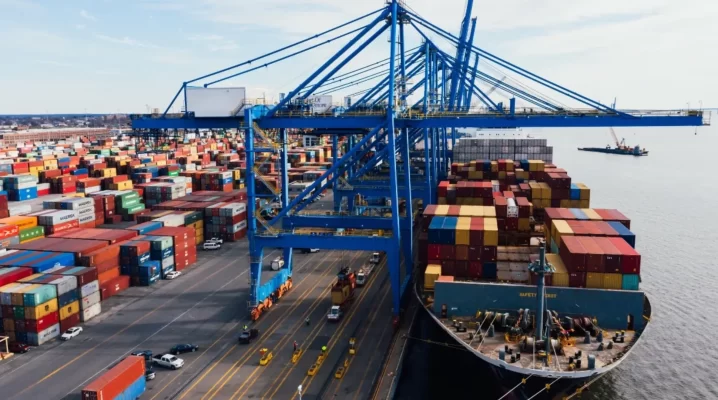
Infrastructure is another important factor influencing global sourcing success. China’s logistics network is one of the most advanced in the world. Its ports, highways, rail systems, and shipping routes are designed to support large-scale exports efficiently. This allows factories to move products quickly from production lines to global markets. Emerging manufacturing hubs are improving rapidly, but infrastructure limitations can still affect supply chains.
In Vietnam, manufacturing has grown quickly, but port capacity and logistics networks are still catching up with demand.
In India, transportation infrastructure continues to develop, but shipping timelines can vary depending on location.
Turkey offers advantages for companies serving European markets due to its geographic location and shorter shipping times.
However, logistics costs and regional economic conditions can still influence supply chain performance. These differences highlight an important point: the factory price is rarely the true cost of sourcing. Freight, customs clearance, and logistics infrastructure all affect the final landed cost of a product. Companies focusing only on supplier quotes may overlook these hidden cost factors.
Why China Still Plays a Central Role
Despite the rise of alternative manufacturing hubs, China remains a critical part of the global supply chain. Its supplier networks, production capacity, and logistics infrastructure continue to support industries worldwide. For many companies, the most effective strategy is not abandoning China entirely but combining China’s strengths with emerging manufacturing markets. This balanced approach allows businesses to maintain efficiency while improving supply chain resilience. However, managing suppliers across multiple countries introduces new complexity. Without structured oversight, the expected benefits of diversification can quickly disappear.
China Plus One : The Value of Strategic Global Sourcing
Successful China Plus One strategies require more than simply identifying new factories. They require strong supplier management, quality control systems, and clear supply chain visibility. Companies that succeed in global sourcing diversification typically invest in local expertise. Having experienced sourcing professionals on the ground allows businesses to monitor production, manage quality risk, and resolve issues before they affect shipments. Local teams can conduct inspections, verify compliance standards, and ensure suppliers meet expected performance levels. This proactive approach helps companies control quality costs, improve supplier reliability, and maintain supply chain stability. Ultimately, effective global sourcing is not about chasing the lowest factory price. It is about building a supply chain that balances cost efficiency with operational reliability.

China Plus One : Why Local Sourcing Expertise Matters in New Markets
Entering a new sourcing market such as Vietnam, India, or Turkey requires far more than identifying a factory. It requires supplier validation, quality assurance, compliance checks, and continuous supply chain oversight. This is where an experienced global sourcing company becomes invaluable. With teams based locally, sourcing specialists can support supplier selection, factory capability assessments, and production validation before orders are placed. Being physically present in sourcing markets allows them to conduct on-site audits, verify production capacity, monitor quality systems, and ensure suppliers meet international standards.
Local teams also help bridge language and cultural gaps between buyers and manufacturers, reducing miscommunication and improving supplier relationships. Most importantly, they provide real-time visibility into production progress and supply chain risks, allowing issues to be resolved before they impact delivery schedules or increase landed cost. For companies entering new sourcing markets for the first time, this on-the-ground support dramatically reduces supplier risk and accelerates successful supply chain diversification.
Conclusion: Diversification Requires Strategy China Plus One
The push toward supply chain diversification is real, and for many businesses, it is necessary. However, diversification is rarely as simple as shifting production from one country to another. The China Plus One strategy works best when companies understand the full supply chain ecosystem, including raw materials, logistics networks, and supplier relationships. Without this understanding, businesses may encounter rising quality costs, increased quality risk, and unexpected increases in landed costs. When companies move beyond spreadsheets and take a strategic approach to global sourcing, diversification becomes more than a risk reduction strategy. It becomes a foundation for building stronger, more resilient supply chains.
Frequently Asked Questions About China Plus One and Global Sourcing

Anishi Gupta
Position: Digital Marketing Specialist
Anishi Gupta is a Digital Marketing Specialist focused on performance marketing, content strategy, and data-driven growth at ET2C LinkedIn or anishi.g@et2c.com.