Is India’s ‘Make in India’ Initiative Creating Real Opportunities for Global Buyers?

Many international purchasers find the actual turning point here. Although the Make in India campaign has helped India’s industrial environment develop noticeably, effectively negotiating it still calls for a thorough awareness of the local setting. Outcomes rely on how buyers interact with the market rather than only on where they buy from because differences across states, degrees of supplier maturity, compliance standards, and operational procedures abound. Reliable, on-the-ground knowledge is essential for worldwide enterprises, Global Sourcing, particularly those running across several sourcing areas.
Experienced sourcing partners provide quantifiable value by converting policy-driven possibilities into reliable, execution-ready results. With more than 25 years of international sourcing expertise, ET2C International helps overseas purchasers create and grow sourcing activities throughout Asia.ET2C, with over 200 experts headquartered throughout seven offices in mature and developing Asian regions, serves as a real extension of its clients’ sourcing teams, offering regional presence, market knowledge, and operational control.
Within India’s Make in India ecosystem, ET2C acts as a calculated bridge between international purchasers and capable sourcing partners.ET2C helps purchasers lower risk while keeping speed and scalability by providing total supply chain openness and guaranteeing adherence to worldwide quality and compliance requirements. Its “feet on the ground” approach lets India, a complicated, rapidly changing market, have real-time supervision, better communication, and more flexible supplier relationships, all of which are vital.
More generally, ET2C streamlines international procurement by providing specialised local teams throughout India, China, Vietnam, Turkey, and other major sourcing centres. Knowing that execution is being handled locally and in line with worldwide standards, this strategy gives international purchasers the assurance to carry out sourcing plans.
For businesses hoping to profit from the possibilities presented by Make in India, without being hampered by operational uncertainty, this mix of local knowledge and worldwide sourcing discipline can mean the difference between intention and effect.
Reach the team at contact@et2cint.com to find out more about us. ET2C can offer a quick, riskfree team on the ground in important sourcing regions.
From Policy Vision to On-Ground Reality
When the Make in India initiative was announced, it aimed to address significant issues that had previously limited India’s manufacturing competitiveness, including complex regulations, fragmented infrastructure, and a lack of focus on exports
Over time, several positive changes have taken place. Foreign direct investment rules have been relaxed across most sectors, approval processes have been digitised, and manufacturing has been elevated to a national priority rather than remaining a secondary policy objective. Notably, this shift has coincided with a global reconfiguration of supply chains, creating a unique opportunity for alignment between India’s internal reforms and external market demands.
For international buyers, this alignment is crucial. It indicates that Indian manufacturers are no longer solely focused on local consumption; they are increasingly designed to meet international standards for quality, compliance, and delivery.
Why Global Buyers Are Taking India More Seriously Now
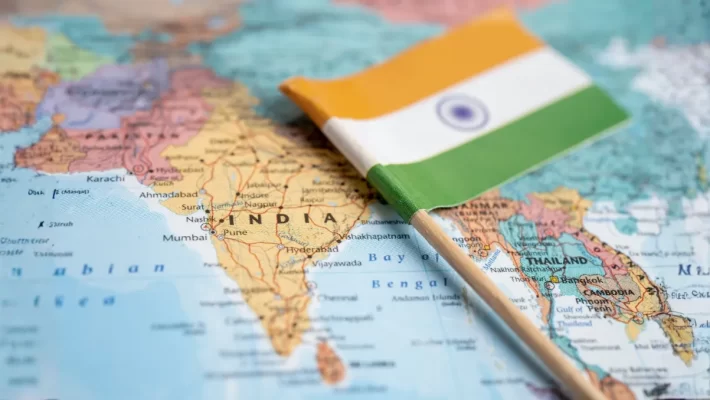
The renewed interest in India is not happening in isolation; it is driven by significant changes in global trade and sourcing strategies. Rising geopolitical risks, supply chain disruptions, and cost pressures have compelled businesses to reduce their reliance on single-country sourcing models. The widely adopted “China+1” strategy has prompted companies to explore alternative manufacturing bases that can complement existing suppliers without adding excessive risk. India fits this requirement well. It offers scale, a large skilled workforce, improved infrastructure, and a domestic market that supports supplier stability. For UK and European buyers, India presents a compelling blend of cost efficiency and operational depth, without the concentration risk associated with sourcing from a single geography
Export-Focused Manufacturing Is Becoming the Norm
One of the most significant shifts under the Make in India initiative has been the increasing export orientation of Indian manufacturers.
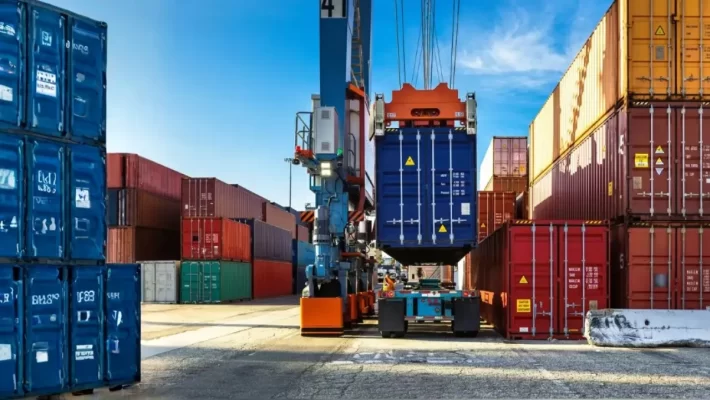
A decade ago, many Indian factories were primarily designed to meet domestic demand. Today, however, a growing number are constructed with a focus on global markets. This change is evident in their investments in certifications, quality systems, traceability, and logistics capabilities that align with international trade requirements.
For Global Buyers, this evolution reduces friction in the procurement process. Conversations with suppliers are no longer just introductory or educational; they have become increasingly commercial, technical, and strategic. Indian manufacturers now have a better understanding of overseas buyer expectations, lead times, compliance norms, and the importance of establishing long-term relationships.
Sector Depth Is Expanding, Not Narrowing
India’s potential extends beyond just a couple of industries. While electronics, automotive components, and pharmaceuticals often grab the headlines, the range of capabilities is much broader.
India’s manufacturing base is diversifying quickly, encompassing not only industrial components and engineered goods but also textiles, consumer products, and renewable energy equipment. This diversification is crucial for Global Buyers who are looking for not just alternative sourcing options but also the ability to consolidate multiple categories within a single country.
Moreover, this shift allows buyers to move past simple transactional sourcing into more meaningful partnerships. These partnerships can include joint development, contract manufacturing, and long-term supply agreements.
What Global Buyers Still Need to Get Right
India, despite its advancements, is still not a seamless market. Buyers who think otherwise often encounter delays, misalignment, or quality issues.
Although regulatory complexity has decreased, it still exists. Procedures can differ based on the state, sector, and local authority. While the quality of infrastructure is improving, it remains inconsistent across various regions. Additionally, the maturity of suppliers can vary significantly, even within the same industry cluster.
However, this does not diminish the opportunity; instead, it requires a more thoughtful approach. Successful Global Buyers take the time to understand regional differences, evaluate supplier capabilities beyond basic metrics, and establish governance frameworks that ensure long-term consistency. In other words, preparation pays off in India.
The Role of Local Expertise in Unlocking Value
One of the most common mistakes Global Buyers make is trying to manage operations in India from a distance, using the same strategies they apply in more mature or familiar markets. India has its own unique dynamics. Relationships and context are important, and having an on-ground presence either directly or through trusted partners often determines success.
This is where strategic intermediaries are essential. They function not as agents or brokers, but as facilitators who understand both the expectations of global buyers and the realities of local execution.
How ET2C Supports Global Buyers in the Make in India Ecosystem
ET2C collaborates with international businesses looking to engage with India on a deeper level, beyond simple sourcing. The focus is not on one-time transactions but on creating structured and resilient pathways into the Indian market.
By integrating market intelligence, sector expertise, and local insights, ET2C assists Global Buyers in identifying the right opportunities, realistically evaluating potential partners, and confidently transitioning from intent to execution.
For companies from the UK, Europe, and around the world, this comprehensive approach mitigates risks, shortens learning curves, and transforms policy-driven opportunities into measurable commercial success.
So, is Make in India creating real opportunities?
Yes, but not automatically . Make in India has succeeded in reshaping India’s manufacturing narrative and improving the key factors that matter to Global Buyers. Today, the ecosystem is more capable, more export-ready, and better aligned with global supply chain needs than it was a decade ago.
However, the greatest benefits are being realised by those buyers who take a strategic approach to India, invest in building relationships, and collaborate with experts who understand how to navigate complexities without slowing down progress.
At last perspective
India has emerged as a significant player in global trade and manufacturing, transitioning from being merely a rising opportunity to a key participant. While regulations alone cannot generate value, the Make in India initiative has played a crucial role in facilitating this transformation. It’s important to focus on successful implementation.
India offers numerous advantages for foreign customers who are willing to invest time and effort in understanding the market. The country possesses long-term strategic benefits and is very robust in its capabilities. This potential is tangible; the difference lies in how it is pursued. To learn more about the opportunities, contact one of our team contact@et2cint.com
FAQs: Make in India & Foreign Customers
Is the Make in India project advantageous to outside consumers?
Indeed. India’s manufacturing capacity, export readiness, and openness to outside investment have all benefited greatly from the program. Real advantages, however, are best obtained when foreign consumers team up with knowledgeable regional difference, compliance needs, and supplier maturity experts.
Under Make in India, which businesses provide the best chances?
Among the manufacturing industries that have made the most advancements are electronics, automotive parts, pharmaceuticals, industrial goods, textiles, and renewable energy. Many companies in these industries now meet global quality and compliance requirements.
Under a China+1 sourcing policy, is India a realistic substitute?
India is being used more and more being used as a component of a multi-country sourcing plan or China+1. Although it won’t entirely replace China, it gives world supply networks scale, depth of labour, and long-run resiliency.
When sourcing from India, foreign purchasers should anticipate what difficulties.
Foreign purchasers may observe regional differences in supplier maturity, infrastructure quality, and legal processes. These obstacles are manageable but demand organised supplier assessment and on-the-ground knowledge.
How may foreign purchasers minimise risk while entering the Indian sourcing scene?
Local market knowledge, thorough supplier due diligence, continuous quality oversight, and transparent supply chain management, often provided by a committed local sourcing team, help best control risk.
How does ET2C assist Global Buyers buying from India?
ET2C gives global purchasers local teams throughout important sourcing regions, thereby guaranteeing effective implementation, compliance, openness, and quality control. This lets consumers interact boldly and at scale with the manufacturing environment of India.

Anishi Gupta
Position: Digital Marketing Specialist
Anishi Gupta is a Digital Marketing Specialist focused on performance marketing, content strategy, and data-driven growth at ET2C LinkedIn or anishi.g@et2c.com.