Global Sourcing Risk in 2026, what CEO’s Need to Know
Explore Asia sourcing risk in 2026, including China, India, Vietnam and Turkey. Learn how CEOs can protect margin, reduce disruption, and build supply chain resilience.
Asia sourcing remains a strategic advantage, but in 2026, it is no longer enough to judge suppliers on cost alone. For CEOs and senior leaders, the real question is whether the sourcing model protects margin, continuity, and control in a more volatile trading environment.
The companies that will outperform are not those that remove risk entirely. They are those that understand where risk sits, quantify its impact, and build enough flexibility into the supply base to absorb disruption without damaging EBITDA.
Asia still offers scale, capability, and cost efficiency. But the rules have changed. Geopolitical tension, tariff shifts, logistics disruption, quality failure, and supplier concentration now need to be treated as board-level risks, not procurement details. Broader supply chain resilience is now a leadership issue, not just an operations topic, as McKinsey & Co has also highlighted its work on uncertainty in Asia’s supply chains and broader resilience planning.
Asia Sourcing still Matters, but the Risk Profile has Changed
For many companies, Asia remains central to global sourcing because of its depth of manufacturing capability and competitive economics. That advantage is real. But it comes with growing exposure.
The cost of a sourcing decision is no longer measured only at the purchase order stage. It must be measured through the full landed-cost chain: freight, duties, inspection, quality failure, delays, rework, and customer impact. A source that appears cheaper in isolation can quickly become expensive when disruption enters the equation.
CEOs should expect global sourcing teams to think beyond unit price. The right question is not simply where a product can be made cheapest, but where it can be made reliably, consistently, and profitably over time.
Sourcing Risks in 2026
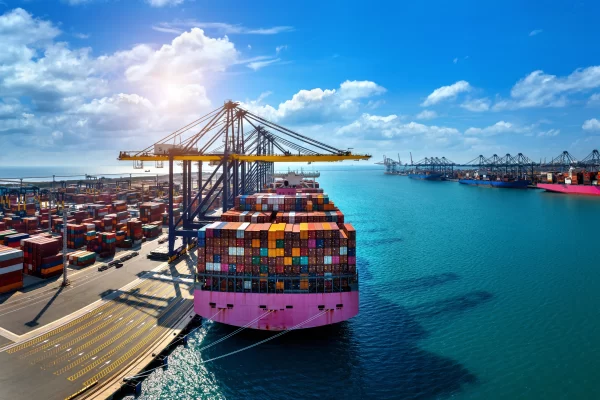
The global sourcing environment in Asia is being shaped by several pressures at once. Geopolitical uncertainty continues to influence trade relationships and policy decisions. Tariff volatility can alter economics quickly. Logistics routes remain vulnerable to congestion and disruption. Supplier concentration continues to expose businesses to single-point failure risk.
Quality is another major issue. Weak control at source can create hidden costs that show up later as rework, returns, chargebacks, customer complaints, and margin erosion. These are not operational nuisances. They are direct threats to profitability.
For leadership teams, the lesson is clear: sourcing risk management is no longer a background issue. It is a core business risk with financial consequences.
Global Sourcing Risk as a board issue
The most damaging global sourcing problems are often invisible until they have already affected performance. A late shipment can disrupt production. A failed inspection can delay revenue. A supplier failure can force emergency buying at a higher cost. Over time, these events erode EBITDA and create management distraction, complexity issues and reputational brand and corporate damage to control.
This is why sourcing risk belongs in board-level discussion. It affects cash flow, customer service, margin, and resilience. It also affects strategic optionality. A business with a fragile sourcing base has fewer choices when conditions change.
CEOs do not need to manage the detail personally. But they do need visibility, accountability, and clear reporting on where risk is concentrated and what mitigation measures are in place.
China, India, Vietnam and Turkey are not the same
A major mistake is to talk about “Asia” as if it were one sourcing decision. In reality, each market carries a different risk profile, and CEOs should expect their teams to understand those differences.
China remains unmatched for manufacturing depth, supplier ecosystem strength, speed, and scale. The main risks are geopolitical exposure, tariff volatility, regulatory scrutiny, and concentration risk. China is often still the best option for capability, but it is also the market most exposed to trade friction and policy shifts.
India offers scale, talent, and long-term diversification potential. The key risks are infrastructure inconsistency, administrative complexity, slower execution in some sectors, and variation in supplier maturity. India can be a strong strategic base, but it usually requires stronger governance and more active supplier management.
Vietnam is attractive because of its agility, cost competitiveness, and increasing manufacturing capability. Its main risks are capacity pressure, logistics congestion, dependency on imported inputs, and exposure to external trade disruption. Vietnam remains a compelling growth market for sourcing,and recent coverage of Vietnams’ trade outlook in 2026 reinforces both its momentum and its exposure to global volatility.
Turkey is often used as a nearshoring alternative for European buyers because of shorter lead times and faster responsiveness. The main risks are currency volatility, inflation, political and economic instability, and regional geopolitical exposure. Turkey can play a valuable role in a diversified sourcing model, and official investment information also reflects its manufacturing and sector strengths.
The strategic lesson is simple: the best sourcing strategy model is not the one that avoids all risk. It is the one that matches the country to the product, the margin profile, and the business’s tolerance for disruption.
China+1 is not a complete answer
Many companies have already embraced a China+1 sourcing strategy, and in principle that is a sensible move. Diversification reduces overdependence and improves resilience. But China+1 is not a full solution if it simply replaces one concentration risk with another.
A stronger model is multi-country sourcing strategy, supported by supplier segmentation and clearer risk controls. That means understanding which products, categories, and suppliers are strategic, which are vulnerable, and where backup capacity exists.
The most resilient global sourcing models are not built around a single alternative country. They are built around flexibility, redundancy, and the ability to shift volume when the environment changes.
Supply Visibility is now a Key Source of Advantage
In 2026, visibility is a competitive advantage. The companies that can see problems earlier will respond faster and suffer less disruption. That means more than tracking shipments. It means knowing where supplier performance is slipping, where capacity is constrained, where quality issues are emerging, and where dependency risk is building. It also means looking beyond direct suppliers to the sub-tier layers that often carry the greatest hidden exposure.
Without that visibility, executives are forced to react after the damage is done. With it, they can intervene early, protect margin, and make better sourcing decisions. The need for visibility puts extreme pressure on the wholesaler/agent sourcing model. In many cases companies do not know they manufacturing vendor they are using, are communicating via a third party and can struggle to manage quality and compliance issues in a timely effective manner.
What Strong Global Sourcing Leadership looks like
A mature sourcing strategy in 2026 should do more than secure supply. It should protect the business. That starts with identifying critical suppliers and assessing concentration risk. It continues with proper landed-cost analysis that includes quality and disruption costs, not just purchase price.
It also requires stronger quality control, backup sourcing options, and a clearer risk dashboard for leadership. If a company cannot explain where it is exposed, how it is mitigating risk, and what would happen if a key supplier failed, then the sourcing strategy is not yet mature enough.
CEOs should expect sourcing teams to bring forward evidence, not assumptions. Decisions should be grounded in data, scenario planning, and commercial impact.
Stress Testing your Vulnerability to Sourcing Shocks
Asia sourcing remains crucial to build competitive advantage, but the businesses that succeed in 2026 will be those that manage it with discipline. The winners will not be the companies that chase the lowest cost at all costs. They will be the companies that combine cost efficiency with resilience, visibility, and control.
For CEOs, the strategic question is simple: are we building a sourcing model that can withstand disruption, or one that only works when conditions are perfect?
ET2C International Global Sourcing Experts
ET2C have 25 year’s experience working with our global client sot make their sourcing simple. Our 250 colleagues are based on the ground in major sourcing markets (China, India, Vietnam and Turkey) to give you rapid and insightful access to sourcing partners.
To rapidly test your Sourcing strategy for risk and vulnerability take our Sourcing Stress test for a rapid high level review of opportunities and risk. contact@et2c.com
Frequently Asked Questions

David Young
Position: Group Marketing Director
David W. Young is a recognised thought leader in global sourcing and procurement, sharing expert insights on navigating inflation, managing overheads, and building resilient supply chains. He champions strategic solutions for maximising business value in a volatile world. LinkedIn or david.y@et2c.com.LinkedIn or david.y@et2c.com.