
Industrial Components
ET2C sources precision-engineered industrial components from vetted manufacturers across China, India, Vietnam and Turkey. Our sourcing teams include people with engineering and manufacturing backgrounds, not just sourcing generalists, so we can read a technical drawing, question a tolerance, and manage a supplier the way an in-house procurement engineer would. Long-standing relationships with audited factories mean lower landed costs, without the quality risk that usually comes with switching suppliers or entering a new sourcing market.
What We Do
We identify the right factory for your component and manage the relationship through the entire manufacturing process: technical review of your drawing or specification, tooling and sampling, production oversight, and pre-shipment quality control. For industrial components specifically, we apply a dedicated methodology on top of our standard sourcing process, covering die casting, sand casting, investment (lost-wax) casting, forging, CNC machining, sheet metal fabrication, extrusion, stamping and pressings, and plastic injection moulding.
Where a component’s performance depends on getting the engineering right first time, we support prototype and functional testing, fault and process analysis, and numerical simulation ahead of any tooling commitment. Once parts are in production, our quality checks extend to X-ray testing for internal casting defects, alloy analysis to confirm material composition, and material testing against your specification, catching problems before they reach your line.
Our Proven Methodology
From the moment we receive your drawing or specification, our local, engineering-literate teams assess your requirements against our supplier base, factoring in market-specific advantages such as tariffs, tooling costs and technical capability. We work to ISO 9001 principles throughout, applying Quality Assurance and Quality Control checkpoints at every stage of the critical path: prototype and mould inspection, in-process checks during production, and final pre-shipment inspection. That consistency is what keeps tolerances tight and defects rare, from first sample to full production run.
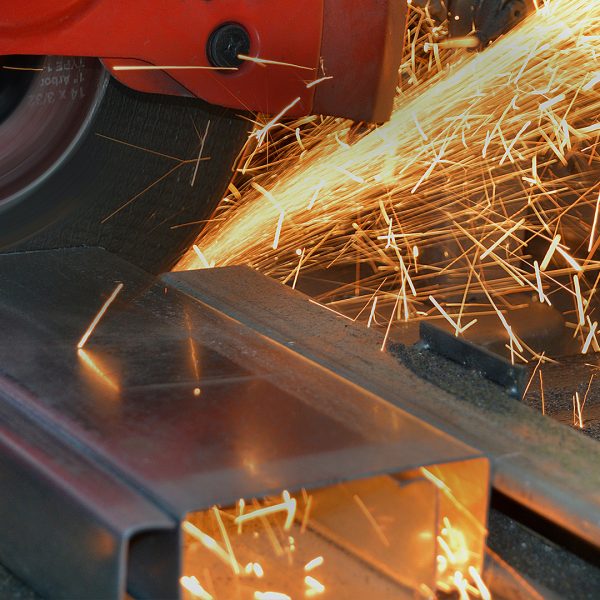
Metal Components
We cover the manufacturing methods and materials needed for a wide range of applications, including transport, heavy equipment, household goods, hardware, electrical equipment, and machines and machine tools.
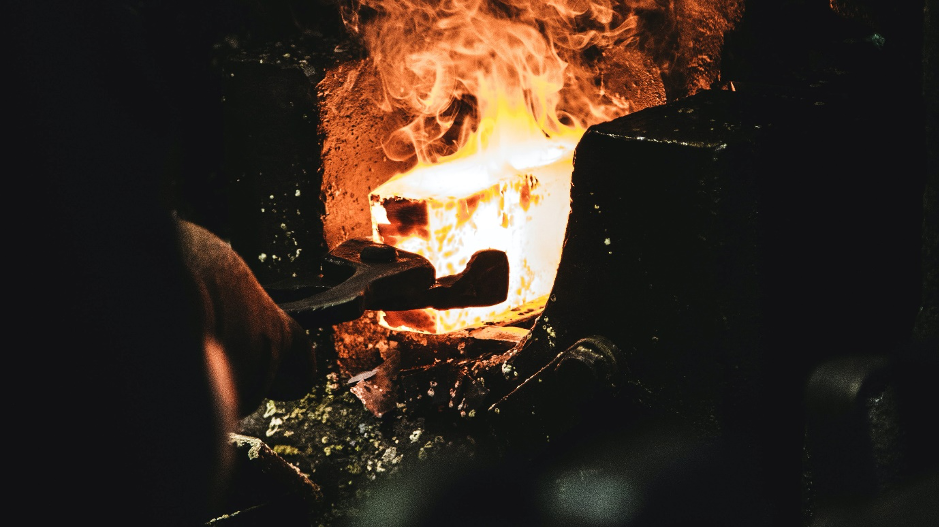
Forging
We work with established forging suppliers across China, India and Vietnam, in aluminium, steel and brass. Forging refines the metal's grain structure as it's shaped, giving parts better mechanical strength, fewer internal voids, and less wasted material than casting, an advantage for load-bearing components in transport, heavy equipment and machinery. It's usually the right call when strength-to-weight ratio matters more than tight tolerances or complex geometry.
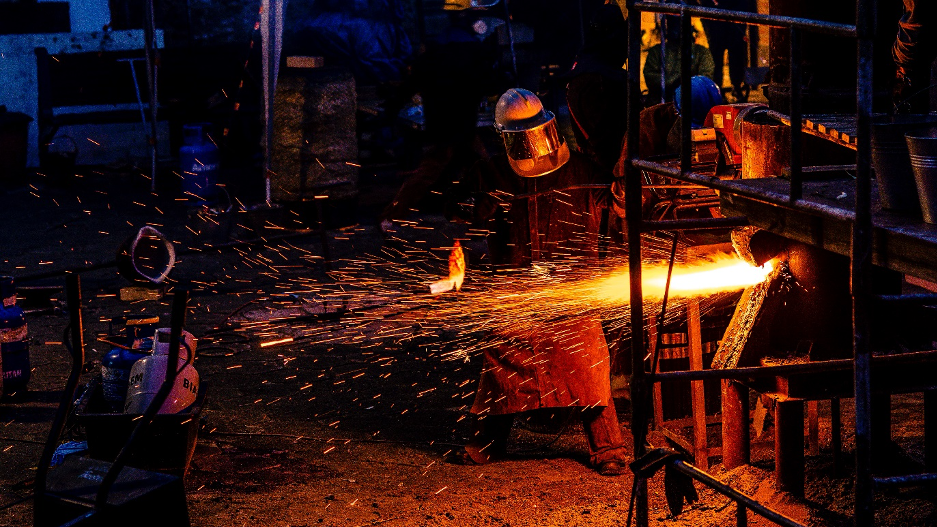
Casting
Across our supplier base we cover high-pressure die casting, sand casting and gravity casting, in aluminium alloy, Zamak, iron, brass and stainless steel. Casting suits components with complex shapes or internal cavities that would be difficult or costly to machine, and offers low tooling costs, dimensional consistency and rapid production rates once tooling is in place, with die casting delivering the best surface finish and tightest tolerances of the group.
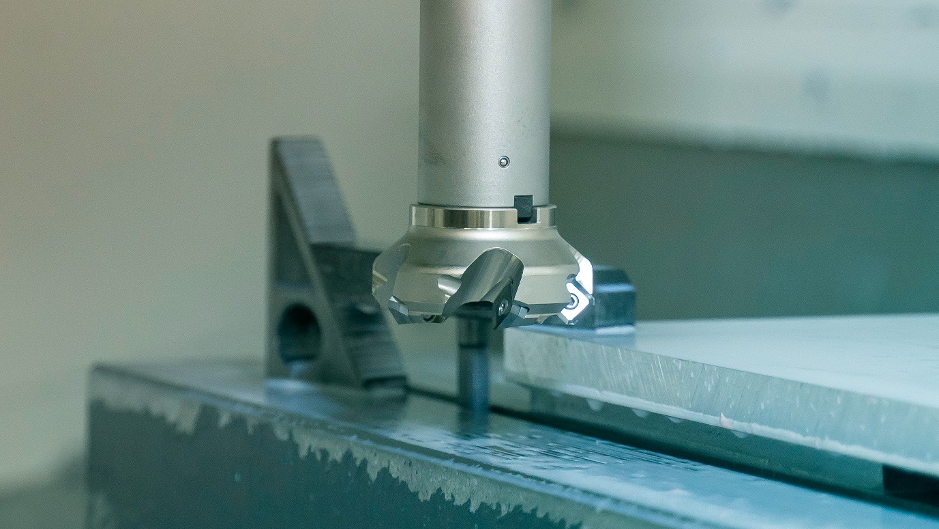
CNC Machining
Predominantly through our Chinese supplier base, we source CNC-machined parts wherever accuracy, surface finish or specific geometric features matter more than unit cost: prototype runs, low-volume production, and components with features that casting or forging can't achieve economically. We work across a wide range of metals and can hold tighter tolerances than most other processes.
Sheet Metal Fabrication
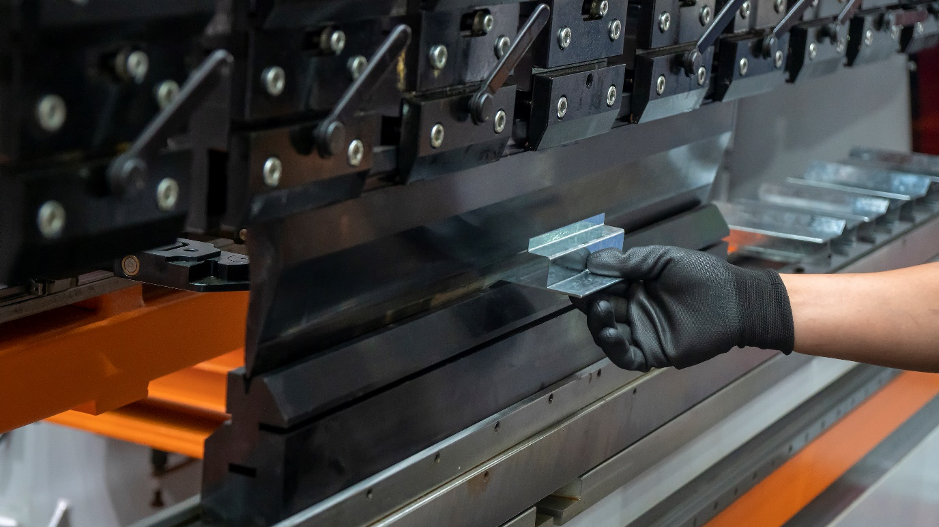
Our suppliers produce custom sheet metal parts using stamping techniques including embossing, bending, flanging, blanking, ironing, drawing, stretching, hemming, curling, cutting and piercing. This route suits enclosures, brackets and structural parts where flat or formed metal sections need to be produced repeatably and cost-effectively.
Extrusions
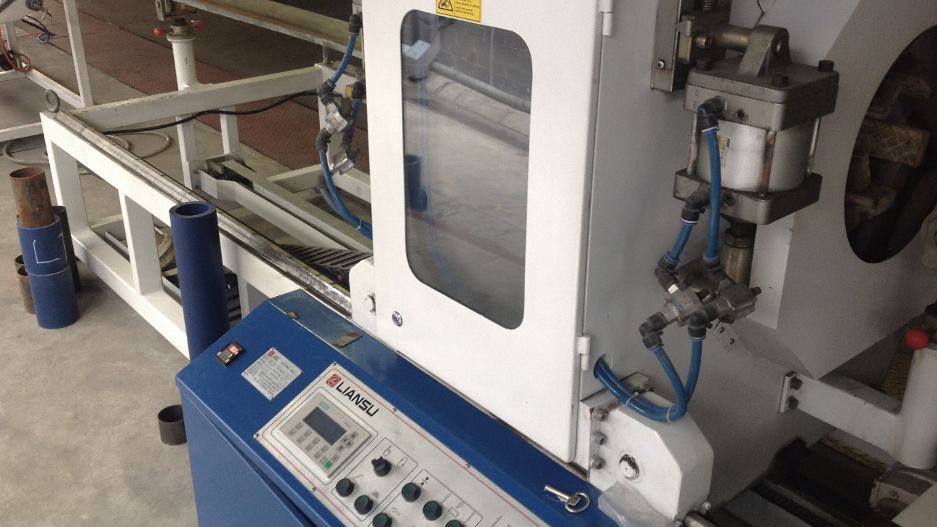
Aluminium extrusion is one of the most widely used metal-forming processes, valued for its strength, flexibility, durability and sustainability. We source extruded profiles for construction, transportation, electrical and machinery applications, and for consumer durable goods, wherever a component needs a constant cross-section along its length.
Stampings & Pressings
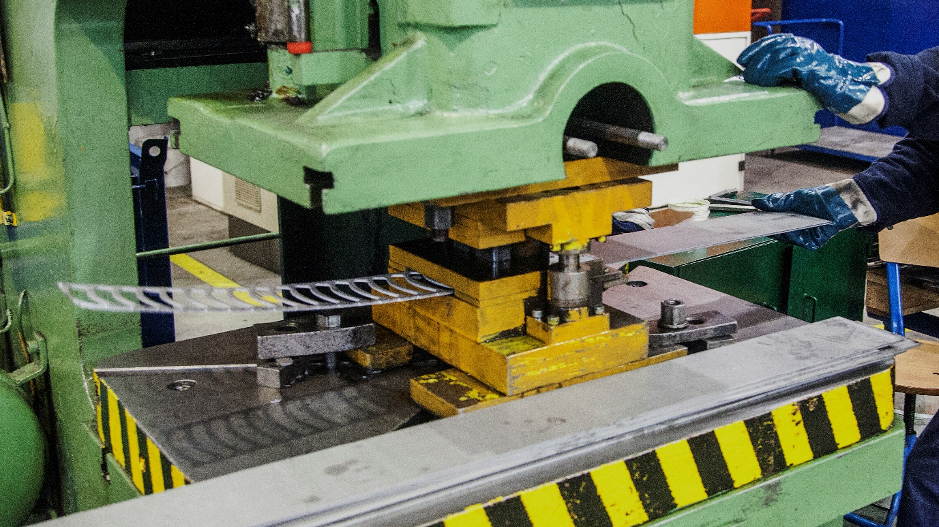
We specialise in metal pressings in aluminium, stainless steel, copper, brass and mild steel. Pressings are widely used in aerospace, automotive, and domestic electrical power generation and regeneration applications, typically where high-volume production of a consistent flat or formed part is needed at low unit cost.
Plastic Components
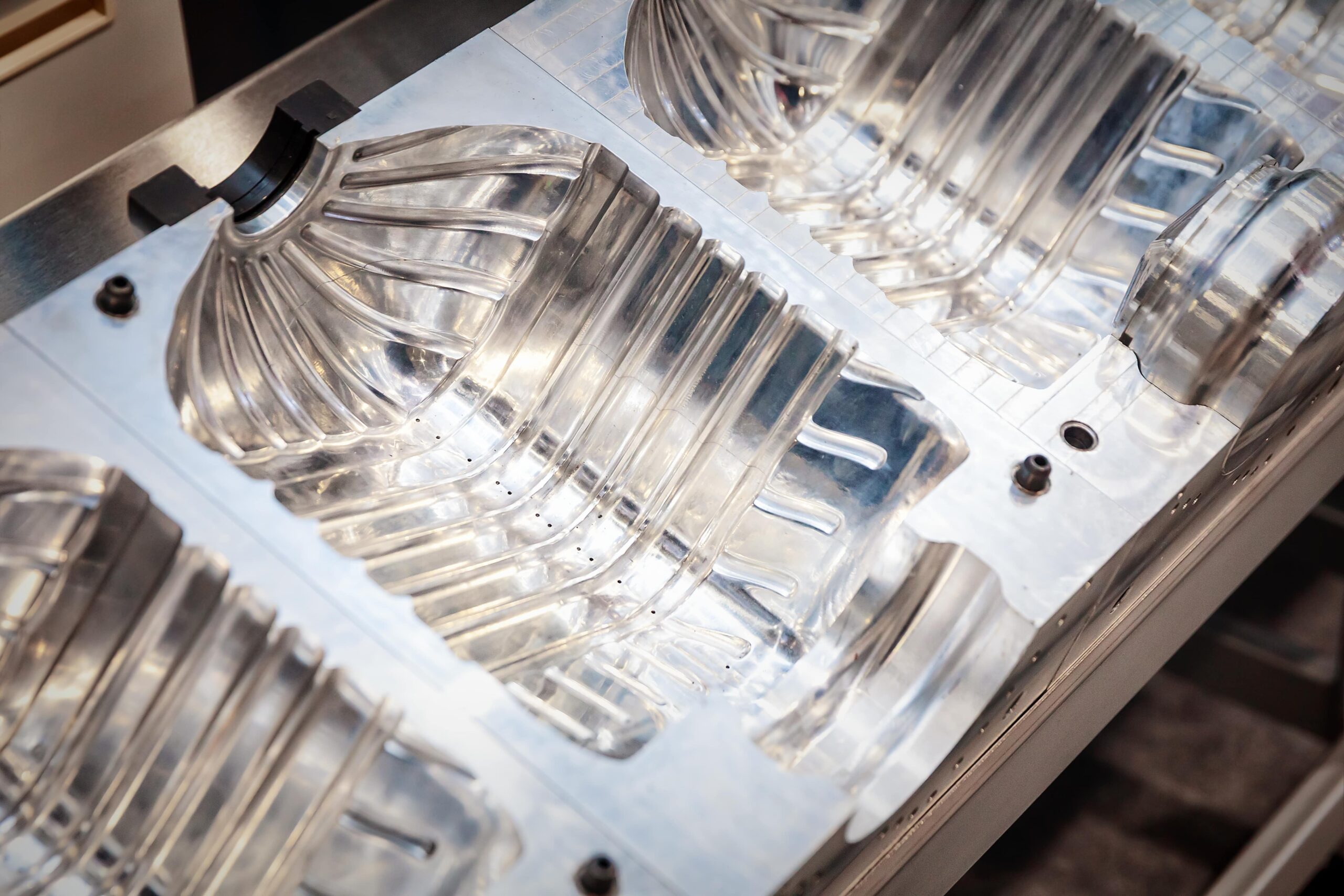
We work with a number of quality-audited plastic injection moulding suppliers to manufacture components in a wide range of shapes, sizes and wall thicknesses. Our supplier base supports insert moulding and over moulding for parts that combine plastic with metal or a second material, and can scale from prototype tooling through to high-volume production.
Industries We Support
Our industrial component supply chain serves transport and automotive, heavy equipment, household and hardware products, electrical equipment, and machines and machine tools wherever a client needs technically challenging, precision components and sub-assemblies sourced reliably at scale. We currently supply clients across Europe, UK, the USA and Australasia.
Why ET2C for Industrial Components
Sourcing industrial components is different from sourcing consumer goods: a missed tolerance or the wrong alloy can’t be fixed with a returns policy, it stops a production line. Our sourcing team includes people with engineering and manufacturing backgrounds, so we can interrogate a drawing, question a supplier’s process choice, and spot a quality risk before it becomes a returned batch. Combined with on-the-ground presence in China, India and Vietnam and decades of supplier relationships, that means fewer surprises and a shorter path from drawing to shipped part.

Achieve the Right Balance
ET2C can help you achieve the right balance between price, quality and delivery. We work hard at the outset to understand the detail of your brief, so we can deliver against it. Let us help you navigate the challenges of manufacturing in a foreign country, while minimising the effort required from your team.
Get In Touch
Want to know how ET2C can help your business source industrial components? Get in touch today and we’ll show you how.
FAQ - Industrial Component Sourcing
Frequently Asked Questions
ET2C sources metal components (die-cast, sand-cast, forged, CNC-machined, sheet metal, extruded and stamped) and plastic injection-moulded components and sub-assemblies, for applications across transport, heavy equipment, electrical equipment, and machines and machine tools.
It depends on volume, tolerance, geometry and material. Casting (including die casting) suits complex shapes at scale; forging suits strength-critical, load-bearing parts; CNC machining suits tight tolerances, prototypes and low volumes; sheet metal fabrication suits enclosures and brackets; extrusion suits constant cross-section profiles; stamping suits high-volume flat or formed parts. Our engineering-literate team can advise on the best fit for your drawing or specification.
We source industrial components primarily through our on-the-ground teams and validated supplier networks in China, India and Vietnam, drawing on each market’s specific technical capability, capacity and cost advantages.
We work to ISO 9001 principles and apply Quality Assurance and Quality Control checkpoints throughout the critical path: prototype and mould inspection, in-process checks during production, and final pre-shipment inspection. For technically demanding parts, this can include X-ray testing for internal casting defects, alloy analysis, and material testing against your specification.
Yes. We support prototype and functional testing, fault and process analysis, and numerical simulation ahead of tooling commitment, and manage sample sign-off before bulk production begins.
Depending on the process, we source in aluminium, steel, brass, aluminium alloy, Zamak, iron, stainless steel, copper and mild steel.
Yes. We work with quality-audited plastic injection moulding suppliers, including for insert moulding and over moulding, and can scale from prototype tooling through to high-volume production.
Casting involves pouring molten metal into a mould, which suits complex shapes and internal cavities at relatively low tooling cost. Forging shapes solid metal under pressure, refining its grain structure for better mechanical strength and less material waste — typically the better choice for load-bearing, strength-critical parts.
Through QA/QC checkpoints at every stage of the critical path, sampling, mould inspection, in-process checks, X-ray and material testing where relevant, and final pre-shipment inspection all aligned to ISO 9001 principles.
Transport and automotive, heavy equipment, household and hardware products, electrical equipment, and machines and machine tools. We currently supply clients across Europe, the USA and Australasia.
Send us your drawing or specification via our contact form and our team will review your requirements, identify suitable suppliers, and provide quotations for you to compare.
Yes. Industrial components follow ET2C’s standard eight-step sourcing process. Needs assessment, product understanding, supplier sourcing, quotation, sampling and development, production oversight, quality and compliance control, and shipping and logistics with additional technical review and testing built in for industrial parts specifically.